
Calgary Residential Roof Maintenance: The Complete Homeowner Guide

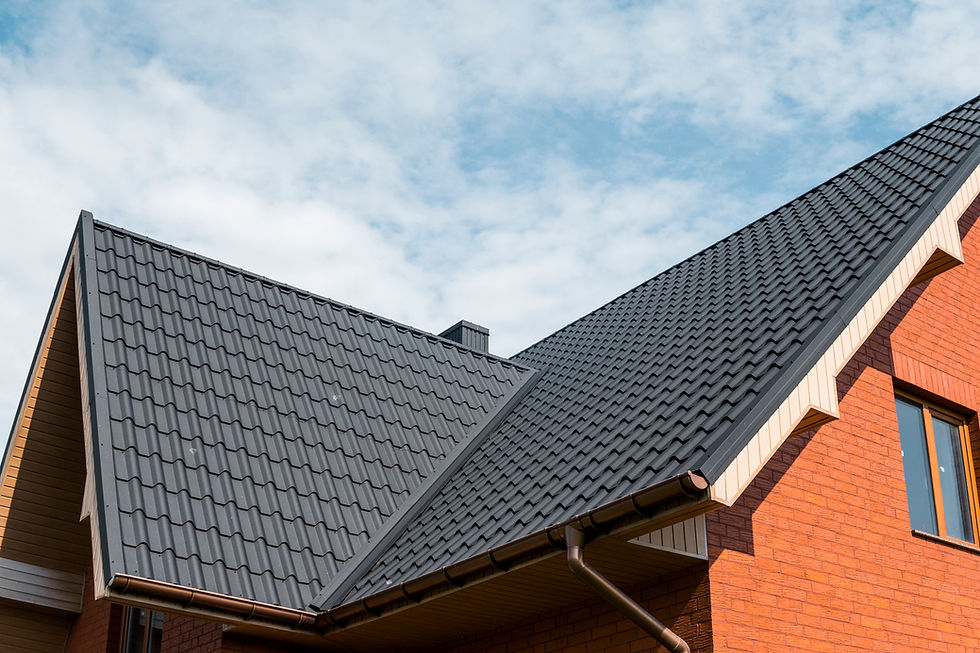
Quick Answer: Calgary residential roof maintenance follows a twice-yearly cadence (spring and fall) plus event-driven checks after hail or wind. Annual costs typically run $300 to $1,500 depending on scope, with most homeowners spending $500 to $900 on routine care. The highest-leverage tasks are eavestrough cleaning, sealant touch-ups, ventilation balance, and tree clearance. Skipping maintenance often shortens a Calgary roof's life by 5 to 10 years.
Most Calgary roofs are sold as 25-year systems, but the actual lifespan depends almost entirely on how well they're maintained. The site for Angel's Roofing states a hard truth: around 80% of roof failures trace back to missed maintenance rather than material defects. The good news is that maintenance work is predictable, modest in cost, and largely uneventful. The harder truth is that Calgary's freeze-thaw climate, high-altitude UV, and hail-prone summers mean homeowners here need to do more than national averages suggest. This guide builds the full mental model: what tasks matter, when to do them, what they cost, and where the line falls between DIY and professional work.
At a Glance
Recommended cadence: Twice yearly (spring and fall) plus post-storm checks
Annual maintenance cost (Calgary): $300 to $1,500 for most single-family homes
Basic plan: $300 to $600 (single visit, visual check, gutters)
Comprehensive plan: $800 to $1,500 (two visits, full report, minor repairs)
Highest-leverage task: Annual eavestrough cleaning before winter
Warranty impact: Most manufacturers require documented periodic maintenance
Lifespan impact: Properly maintained roofs reach full rated lifespan; neglected roofs lose 5 to 10 years
DIY safety threshold: Ground-level tasks only for most homeowners; on-roof work belongs to professionals
Calgary climate stressors: 30+ Chinook freeze-thaw cycles per winter, hail-prone June through August
Key Takeaways
Calgary roofs need more maintenance than national averages. Chinook freeze-thaw cycles, high-altitude UV, and hail summers all accelerate wear that maintenance offsets.
Twice yearly is the floor. Spring catches winter damage; fall prevents winter damage. Skipping either creates issues the other can't fix.
Eavestrough cleaning is the highest-leverage single task. Clogged eavestroughs back water under shingles, into fascia, and cause ice dams.
Manufacturer warranties usually require documented maintenance. A written contractor report each year is the documentation chain that protects warranty claims.
DIY ground-level work is reasonable; on-roof work belongs to professionals. The hybrid model (DIY visual + pro on-roof) is the most cost-effective approach for most homeowners.
Ventilation is the invisible system that determines lifespan. A balanced intake-exhaust ratio extends roof life more than any single material upgrade.
Maintenance visits often surface the replacement timeline 6 to 18 months in advance. That lead time turns a $25,000 emergency into a planned project.
Why Calgary Roofs Need More Maintenance Than Most Cities
Three local climate features push maintenance frequency above the North American baseline.
Chinook freeze-thaw cycling
Calgary records 30 to 35 Chinook events per winter according to Environment and Climate Change Canada. Each one swings temperatures by 15°C to 25°C in a few hours. That thermal cycling stresses sealants, lifts shingle tabs, and fractures caulking faster than steady-cold or steady-warm climates do.
High-altitude UV exposure
Calgary sits at 1,045 metres. UV intensity at altitude is meaningfully higher than at sea-level cities. Rubber pipe boots, exposed sealants, and asphalt shingle binders degrade faster, which is why Calgary shingles often show their age sooner than the same product installed in Toronto or Vancouver.
Hail-prone summer corridor
Calgary sits on Canada's hail alley. Even non-catastrophic hail events leave subtle damage that compounds across years. Post-event maintenance catches damage before it becomes a leak.
The combined effect: Calgary homeowners need the maintenance schedule national resources describe as "above standard". Twice yearly is the floor, not the ceiling.
The Twice-Yearly Maintenance Calendar
The core cadence is two visits, one in spring and one in fall, plus event-driven checks after hailstorms or windstorms.
Spring maintenance window (April or May):
Inspect for winter damage: lifted shingles, ice dam consequences, sealant cracks, ridge cap displacement
Clean eavestroughs of accumulated debris (leaves, branches, granules from winter wear)
Check flashing around chimneys, skylights, and sidewalls for separation, rust, or sealant failure
Inspect rubber pipe boots for UV cracking and seal failure
Trim back any tree branches now overhanging the roof
Look for water staining in the attic from any leaks that developed over winter
Check vents and intake screens for clogs
Fall maintenance window (September or October):
Final eavestrough cleanout before snow arrives (this is the highest-value task of the year)
Verify all flashing is sealed and snow-tight
Check attic insulation depth and ventilation balance
Trim any tree limbs that could load with ice or snap under snow weight
Confirm vent pipes and boots are intact
Verify skylight seals and chimney caps
Event-driven checks are added on top of the schedule whenever:
Hail has fallen
A windstorm has produced gusts over 80 km/h
Heavy wet snow has loaded the roof
A Chinook has rapidly melted and refrozen ice on the roof
Spring catches winter damage. Fall prevents winter damage. Skipping either creates problems the other can't solve.
Annual Cost of Calgary Roof Maintenance
Costs scale with scope, roof complexity, and whether maintenance is bought à la carte or on a plan.
Basic single-visit maintenance:
$300 to $600. This is one visit, a visual check, eavestrough cleaning, and a written summary. Suitable for newer roofs in good condition with minimal complexity.
Comprehensive twice-yearly plan:
$800 to $1,500. Two visits, full assessment with photos, minor sealant and fastener touch-ups, and a year-end report documenting the roof's condition. This is what most Calgary homeowners on aging roofs (10+ years) should be paying for.
Cost varies based on:
Roof size and pitch (steep roofs and complex rooflines cost more)
Tree exposure (heavy debris = longer eavestrough work)
Number of penetrations (skylights, vents, chimneys all add inspection time)
Existing condition (failing sealants and worn flashing add repair time)
Bundled maintenance plans offered by reputable Calgary contractors usually price 20% to 30% below the same work bought one task at a time. Plans typically include priority scheduling after hailstorms, which matters more than the discount in a major storm year.
Comprehensive maintenance for the life of a 25-year roof typically totals $15,000 to $30,000. That sounds large until compared against the $20,000 to $40,000 cost of premature replacement, which is the alternative for neglected roofs.

DIY vs Professional Maintenance
Most Calgary homeowners can safely handle ground-level tasks. On-roof work is a different category.
Safe to DIY:
Visual inspection from the ground with binoculars
Checking the attic from inside (with a flashlight, on the access ladder)
Trimming low-hanging branches that don't require climbing or chainsaws above shoulder height
Removing debris from accessible parts of eavestroughs using a wet-dry vacuum extension
Photographing the roof after a storm for documentation
Belongs to professionals:
Anything that requires walking on the roof
Skylight, vent boot, and chimney seal work
Eavestrough work on second-storey homes
Ventilation system modifications
Anything involving the ridge or hip lines
The safety calculus is straightforward. Most homeowner insurance policies cover injuries on owned property only up to standard limits, and roof falls are among the most common serious injury claims in Canada. A $400 professional maintenance visit costs less than one emergency room copay and a missed work week.
A workable hybrid is doing ground-level visual checks and attic inspections yourself, then paying a contractor for the twice-yearly on-roof work and any repairs. That structure runs about $500 to $900 a year for most Calgary homes while keeping the homeowner involved in monitoring.
How Maintenance Affects Manufacturer Warranties
This is the part most Calgary homeowners don't realize until a warranty claim is denied.
Most asphalt shingle warranties (GAF, IKO, Malarkey, CertainTeed) require periodic maintenance and documentation. The exact wording varies, but the common requirements include:
Periodic professional inspection (often annual)
Prompt repair of identified issues
Proper ventilation maintained throughout the warranty period
No coating, painting, or pressure washing of shingles
Euroshield rubber shingles have similar but slightly relaxed requirements given their hail resistance.
The documentation matters as much as the work. A homeowner who has done their own maintenance for 15 years and then experiences a premature failure usually cannot prove warranty compliance. A homeowner with written annual reports from a certified contractor has a documented chain.
Manufacturer warranties on Calgary roofs often exceed the labour warranty by 10 to 20 years. The longer the warranty period, the more valuable the documentation becomes.
Ventilation and Attic Moisture: The Invisible System
Roof ventilation is the system that determines lifespan more than any other single factor.
A balanced ventilation system has intake vents (typically soffit vents) and exhaust vents (typically ridge or roof-mounted vents) sized to match the attic volume. When intake and exhaust balance, air moves continuously through the attic in summer (cooling) and winter (preventing moisture buildup).
Symptoms of failing ventilation:
Ice dams forming at the eaves every winter
Moisture or frost on the underside of the roof decking
Mould or staining on attic insulation
Excessively high attic temperatures in summer
Premature shingle granule loss in the second half of the roof's life
Calgary-specific issues:
Older homes (pre-1990) frequently have intake or exhaust shortfalls
Chinook freeze-thaw cycling amplifies moisture problems in poorly ventilated attics
High indoor humidity (from humidifiers, drying laundry, long showers) compounds ventilation shortfalls
Maintenance tasks for ventilation:
Annual inspection of soffit vents for paint blockage, insulation pushed against intake, or mesh damage
Annual inspection of ridge or box vents for damage and seal integrity
Attic visual check for moisture, frost, or staining
Insulation depth verification (Calgary recommendation is R-50 or higher)
Ventilation repairs (adding intake, replacing damaged exhaust vents, sealing attic bypasses) often pay for themselves in extended shingle life. A roof with a failing ventilation system that's repaired in year 10 can still reach its full rated lifespan; one left alone often fails by year 18.
Maintenance by Roof Type
Each roof type has its own maintenance profile.
Asphalt shingles (GAF, IKO, Malarkey):
Twice-yearly maintenance, eavestrough cleaning, sealant touch-ups, vent boot replacement at year 10 to 12, ridge cap inspection.
Metal roofing:
Less frequent (often annually), but fastener checks are critical. Loose or backed-out fasteners are the most common metal roof problem in Calgary.
Flat roofing (TPO, EPDM, SBS):
Twice-yearly seam and flashing inspection. Drains, scuppers, and parapet flashing need attention. Flat roofs accumulate debris that asphalt doesn't shed.
Euroshield rubber shingles:
The lowest-maintenance system for Calgary, mostly visual inspection. The factory hail warranty reduces the urgency of post-hail checks, but eavestrough cleaning and ventilation still matter.
Cedar shakes (rare on newer Calgary homes but present on older properties):
The most maintenance-intensive option. Annual moss and lichen treatment, fastener replacement, and split shake replacement are required.
When a Calgary roof shifts from one product to another during replacement, the maintenance plan changes too.

When Maintenance Shifts to Repair or Replacement
Most maintenance visits identify issues that fall into one of three categories:
Touch-up scope (handled during the maintenance visit):
Sealant refresh, single shingle replacement, fastener tightening, vent boot replacement. Usually under $200 in materials and labour on top of the maintenance fee.
Repair scope (separate work order):
Flashing replacement, multiple shingle sections, skylight reseal, ventilation modification, eavestrough section replacement. Typical Calgary cost: $400 to $2,500.
Replacement scope:
When maintenance reveals widespread granule loss, multiple failed sealants, decking softness, or evidence of long-term moisture damage, the recommendation shifts to full replacement. This is usually a planned decision rather than an emergency, which is part of why residential roof maintenance matters — it surfaces the timeline 6 to 18 months before the homeowner is forced into an unplanned project.
Reputable contractors document this shift clearly. A maintenance report should note when an issue is no longer cost-effective to repair.
Frequently Asked Questions
Does maintenance void or protect my warranty?
Maintenance protects manufacturer warranties. Most asphalt shingle warranties (GAF, IKO, Malarkey) require periodic professional inspection and prompt repair of identified issues. Documentation through written contractor reports is the proof chain. DIY-only maintenance leaves you without that documentation, which can void claims years later.
What if I've skipped maintenance for years?
Book a comprehensive assessment, not just a maintenance visit. A contractor can document the current state, identify catch-up work needed, and put you on a regular cadence going forward. Catching up usually costs $1,000 to $3,000 in the first year, then returns to normal maintenance pricing.
Are maintenance plans worth it?
For aging roofs (10+ years) on twice-yearly cadence, yes. Bundled plans price 20% to 30% below à la carte, include written reports for warranty documentation, and prioritize scheduling after Calgary hailstorms. For newer roofs in good condition, single-visit annual maintenance may be sufficient.
How long does an annual maintenance visit take?
Typically 1 to 3 hours depending on roof size, complexity, and condition. The visual inspection takes about 30 minutes; eavestrough cleaning takes the rest. Complex rooflines with multiple skylights and chimneys can run longer.
What gets documented in a written report?
Photo documentation of any issues, sealant condition, flashing condition, vent boot condition, shingle wear assessment, attic moisture observations, eavestrough status, ventilation balance assessment, and recommended next steps with timeline.
Can I get on my roof to do this myself?
If you have a single-storey home, a low-slope roof, the right safety gear, and experience working at height, ground-level access is possible. For most Calgary two-storey homes with standard 6/12 to 8/12 pitches, the safety risk doesn't justify the savings. Professional maintenance is priced low enough that the math favours hiring out.
What's the highest-leverage task if I only do one thing?
Fall eavestrough cleaning before snow arrives. Clogged eavestroughs cause ice dams, water backup under shingles, and fascia damage. If you only do one task per year, this is it.

About Angel's Roofing: Angel's Roofing provides Calgary residential roof maintenance throughout Calgary and surrounding areas, specializing in twice-yearly preventive care, written condition reports, and certified servicing of asphalt, metal, flat, and Euroshield systems for homeowners protecting their long-term investment.
Ready to put your Calgary roof on a proper maintenance schedule? Angel's Roofing helps homeowners protect their investment with documented twice-yearly visits, GAF, IKO, Malarkey, and Euroshield certified service, and 25+ years of Calgary climate experience.
Contact us today at 403-569-2643 to book your complimentary maintenance assessment.
Disclaimer: Roofing involves safety risks; consult licensed professionals for work beyond ground-level visual checks. Costs and specifications provided are estimates based on typical Calgary market conditions and may vary based on specific project requirements and current material pricing.


Comments