
Attic Water Damage: Calgary Inspection and Remediation Guide


Quick Answer: Attic water damage is well-understood and almost always repairable. A standard remediation removes wet insulation, dries framing and decking with industrial fans for 3 to 5 days, replaces compromised sheathing, rebuilds the vapour barrier, and restores insulation to current Alberta Building Code R-values. Costs typically run $2,000 to $8,000 depending on attic size and decking condition.
Most Calgary homeowners discover attic water damage after a ceiling stain shows up below, and the worry is what's hiding above. The honest picture is that attic damage is the most repairable kind because the area was never finished living space to begin with. Inspecting it safely takes 15 minutes; understanding what the roofer will and won't replace takes about as long. This guide walks through the inspection steps a homeowner can do from a stable ladder, the thresholds that decide replace versus dry, and what a full attic remediation looks like start to finish.
At a Glance
Typical Calgary attic remediation cost: $2,000 to $8,000
Drying time with industrial fans: 3 to 5 days
Insulation wet for over 48 hours: Replace
Decking soft or rotted: Replace; cut out and re-sheath
Decking damp but sound: Dry in place
Vapour barrier: Patch small tears, replace if widespread
Calgary attic R-value target: R-50 to R-60 (current code minimum)
Safe attic inspection limit: Edge of access hatch only; no walking on framing if wet
Mould threshold: Visible growth over 1 square metre warrants specialist scope
Signs of Attic Water Damage
A quick ladder check at the attic hatch reveals most issues without ever stepping inside. From the hatch with a flashlight, look for:
Dark stains on the underside of decking. Black or dark brown trails running down rafters or sheathing point to active or recent water entry.
Compressed or matted insulation. Fibreglass batts that look flattened or blown cellulose that's settled into a crust both indicate wetting.
Daylight through the deck. Pinpricks of light from outside mean the underlayment and shingles have failed at that point.
Frost on framing in winter. White crystalline buildup on rafters and decking is condensation from inadequate ventilation, not necessarily a leak, but it produces the same water damage over time.
Drip marks on top of the vapour barrier. Water staining on the poly visible between joists shows where ceiling damage will appear next.
Pest activity. Nesting in wet insulation is common because pests are drawn to softened material.
A musty smell at the hatch usually means water has been present long enough for biological activity. That's a same-week call, not a same-day emergency, but it shouldn't wait a month.
How to Inspect an Attic Safely
Attic inspection has well-documented risks that apply more sharply when water damage is suspected. Wet decking and framing lose structural rating temporarily, and stepping in the wrong spot can put a foot through a ceiling.
From the access hatch only. A homeowner inspection is what you can see from the top of a stable ladder, with a flashlight, without stepping onto framing. That covers about 80 percent of the diagnostic value.
No walking on wet decking. If sheathing looks dark or feels soft to a probe, do not transfer weight onto it. Wet OSB loses significant strength within 24 hours of saturation and full strength returns only after complete drying.
Step on framing members, never between them. Attic floors above living space are typically just drywall on framing. The drywall holds nothing weight-bearing. Step on a joist or truss chord, not the insulation between them.
Wear a dust mask. Older blown cellulose may contain treated paper dust; older fibreglass releases fibres when disturbed. A simple N95 covers both for a brief inspection.
Photograph from the hatch. Phone flash photography from the hatch captures detail the eye misses. Review on the larger phone screen, then send the photos to the roofer ahead of the on-site visit.
Anything beyond a hatch-level look is professional territory. A Calgary roofer's inspector goes in with proper PPE, knows how to load-test sheathing, and carries a moisture meter that reads through finished surfaces.
What Gets Dried vs Replaced
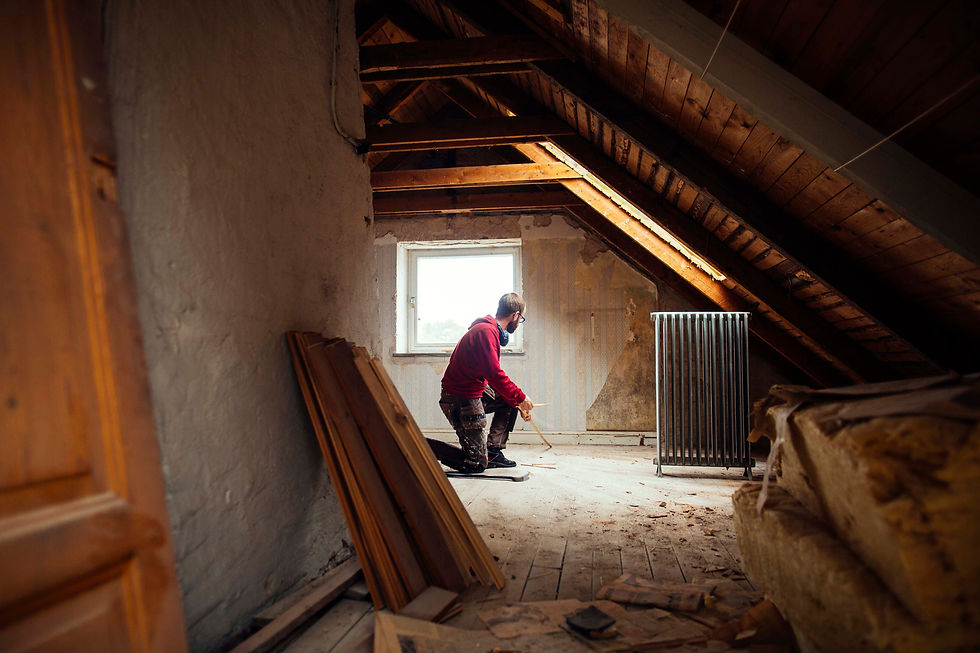
The repair scope on attic water damage divides cleanly into items that can be dried in place and items that need removal and replacement.
Dried in place:
Sound decking that's damp but not soft
Framing (rafters, trusses) showing surface wetting
Vapour barrier with small isolated tears
Spray foam insulation with surface wetting only
Removed and replaced:
Fibreglass batt insulation wet over 48 hours, or visibly saturated, or compressed
Blown cellulose insulation that has compacted from wetting
Decking that's soft, rotted, or delaminated
Vapour barrier with widespread tears or saturated paper backing
Drywall ceiling below the affected area when stained or sagging
The 48-hour threshold for insulation isn't a roofing-industry preference; it's the mould risk window. Insurance adjusters apply the same rule when scoping replacement, so a written scope that lines up insulation replacement with the timing makes the claim cleaner.
Spray foam is the one insulation type that often survives roof leaks intact because it doesn't wick water. Closed-cell spray foam at full thickness can be dried surface-only and left in place. Open-cell or thin closed-cell sometimes needs spot replacement.
What a Full Attic Remediation Includes
A typical Calgary attic water damage remediation runs 5 to 10 working days from first call to final sign-off. The sequence:
Days 1 to 2:
Containment and source repair. The roofer stops the water entry from the exterior (shingles, flashing, ice and water shield as needed) and tarps or seals as a backup. Insulation is removed from wet areas and bagged for disposal.
Days 2 to 5:
Drying. Industrial fans (typically 3 to 6 high-velocity units) and one or two commercial dehumidifiers run continuously. Crews monitor moisture readings on decking and framing daily. Decking is considered dry at 15 percent moisture content or below; framing at 19 percent or below.
Days 5 to 6:
Decking repair. Soft or rotted sheathing is cut out at the rafter or truss centres and replaced with new OSB or plywood of matching thickness. Edges are sealed.
Days 6 to 7:
Underlayment and shingle restoration. Synthetic underlayment goes over new decking, ice and water shield is applied at code zones, and matching shingles are reinstalled.
Days 7 to 9:
Insulation and vapour barrier rebuild. New batts or blown cellulose are installed to current code R-value (R-50 to R-60 in Calgary). Vapour barrier is patched or replaced as scoped. Air sealing at attic penetrations (light fixtures, plumbing stacks, hatch) is rechecked.
Days 9 to 10:
Interior finish. Stained or replaced ceiling drywall is taped, mudded, sanded, primed, and painted. The room is cleaned, and the customer signs off.
Larger scopes or multi-room damage stretch this timeline to 2 to 3 weeks. Smaller scopes (a single area under 5 square metres) can compress to 3 to 5 days total.
Ventilation: The Often-Missed Step
Most Calgary attic water damage from chronic causes (not from acute hail or wind events) traces back to inadequate ventilation as a root contributor. A water-damage remediation that doesn't address ventilation typically sees recurrence within a few winters.
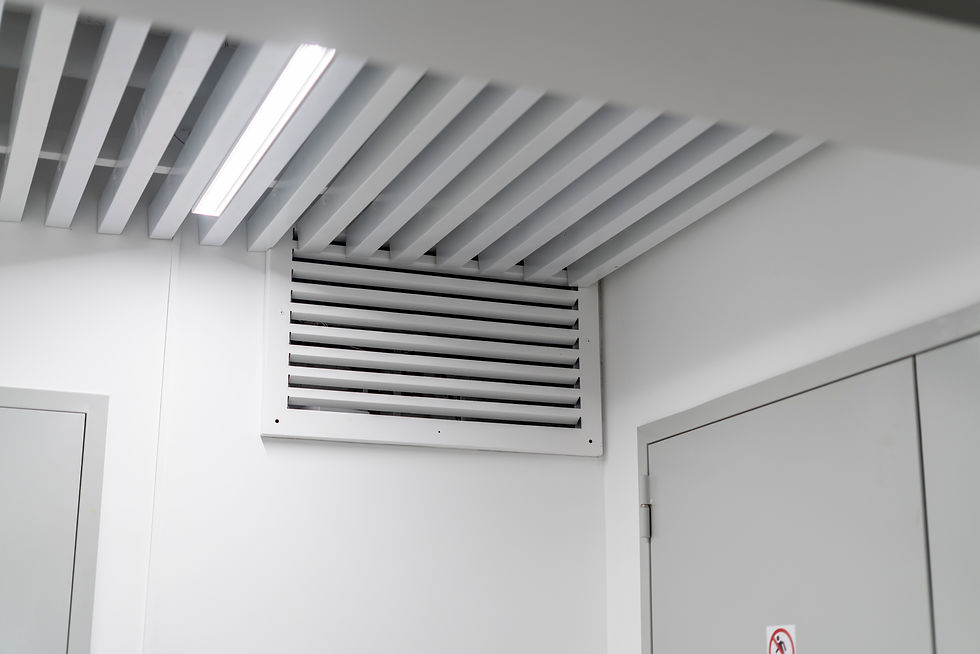
The basic ratio is 1 square foot of net free vent area per 300 square feet of attic floor, balanced equally between intake (soffit) and exhaust (ridge or gable). Calgary's freeze-thaw cycle pushes this hard, because trapped warm air at the ridge melts snow, and trapped cold air at the soffit refreezes it.
A reputable remediation scope includes a ventilation assessment as a line item. Common upgrades: clearing blocked soffit vents (often blown insulation has covered them), adding a continuous ridge vent if absent, baffling soffit-to-ridge airflow paths, and sealing attic bypasses where warm interior air leaks upward.
Frequently Asked Questions
Can I walk on wet attic decking?
No. Wet OSB or plywood temporarily loses significant strength, and stepping on it risks both a foot-through-the-ceiling failure and damaging the deck further. Wait for the decking to be assessed by the roofer before any foot traffic.
Is attic mould different from surface mould elsewhere in the house?
Attic mould develops on wood (rafters, decking, framing) and on cellulose or paper-faced insulation. The species are often the same as elsewhere, but exposure for occupants is lower because the attic is sealed off from living space. The concern is when air movement carries spores into the home through ceiling penetrations and recessed light fixtures.
Can my old insulation be salvaged if it's only damp?
Fibreglass batts that are damp, not wet, and have been dried within 48 hours can sometimes be reinstalled if intact. The judgment call depends on compression, surface staining, and whether the vapour-permeable paper backing is undamaged. Blown cellulose almost never salvages once wetted because of compaction.
What does the crew leave behind after a full remediation?
A clean attic with bagged old insulation removed, new decking patches, restored shingles, new or topped-up insulation to code R-value, sealed vapour barrier, restored ceiling drywall with paint match, and a written final scope confirming each line item. A walkthrough with the homeowner is standard.
Why does my attic stay damp even after the leak was fixed?
Almost always ventilation. Warm interior air leaking into a poorly ventilated attic produces condensation on cold decking each winter. The fix is air sealing at attic penetrations plus rebalancing soffit-to-ridge airflow, not more insulation alone.

About Angel's Roofing: Angel's Roofing provides Calgary residential roof water damage repair throughout Calgary and surrounding areas, specializing in full attic remediation, decking replacement, code-compliant insulation top-up, and ventilation rebalancing for homeowners protecting their attic system from recurring damage.
Ready to remediate attic water damage and prevent it from recurring? Angel's Roofing helps Calgary homeowners with written attic damage assessments, GAF- and IKO-certified decking and underlayment systems, and 25+ years of Calgary climate experience addressing both the leak and the underlying ventilation cause.
Contact us today at 403-569-2643 to book your attic damage assessment.
Disclaimer: Roofing involves safety risks; consult licensed professionals for work beyond ground-level visual checks. Costs and specifications provided are estimates based on typical Calgary market conditions and may vary based on specific project requirements and current material pricing.


Comments