
Booking a Summer Roof Replacement in Calgary

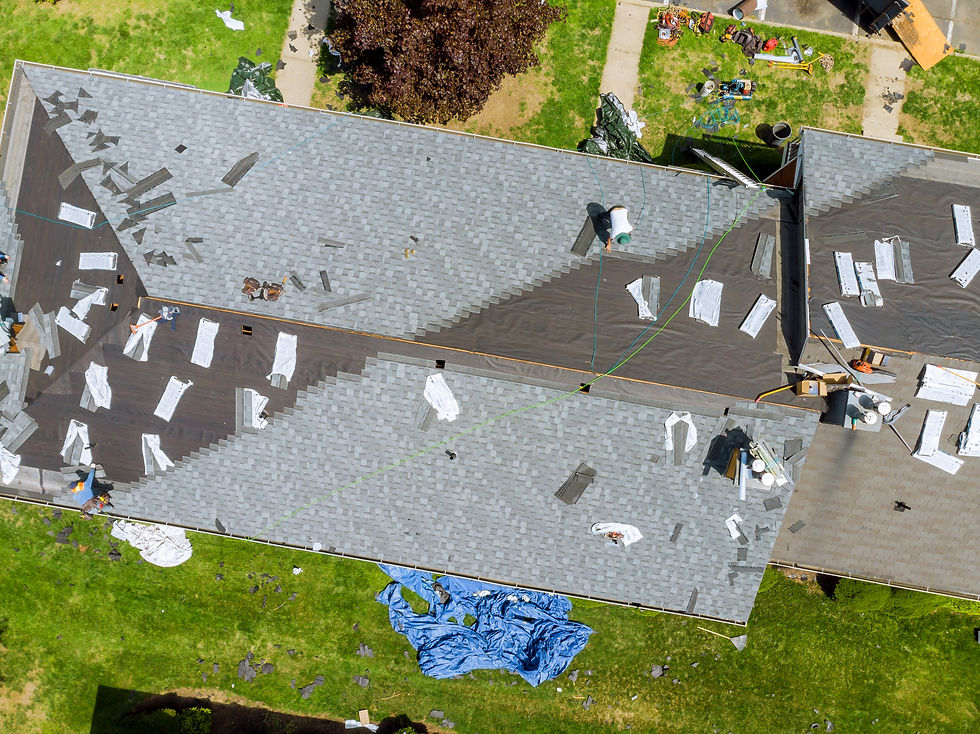
Quick Answer: Booking a summer roof replacement in Calgary typically requires 4 to 10 weeks of lead time in a calm year, and 12 to 16 weeks after a major hail event. The booking sequence is assessment, written quote, signed contract with deposit (10% to 30%), material order, and install date. Reputable contractors lock in your slot once the deposit is received, and major delays after that point should come with written notice and rescheduling options.
If your roof needs replacement this summer, the booking math matters. Calgary's working roofing season is short, demand stacks heavily into June through August, and storm events can compress the schedule overnight. The good news is that the process is predictable when you start early and follow a clear sequence. This article walks through realistic lead times, the booking steps, deposit norms in Alberta, what happens if a storm disrupts the schedule, and how to spot a contractor who manages their queue properly.
At a Glance
Calm-year summer lead time: 4 to 10 weeks from contract to install
Post-storm lead time: 12 to 16 weeks or longer
Typical deposit range (Alberta): 10% to 30% of contract value
Quote validity window: 30 to 90 days
Average install duration (single-storey): 1 to 3 days in good weather
Materials lead time (specialty products): 2 to 4 weeks
Calgary permit processing: ~2 weeks, $230 to $280 for a typical residential project
When to Book
The calmest booking is early. March, April, and early May are the months when the schedule is still fluid, and you can choose your install window. By late May, the June calendar starts filling. By mid-June, July is mostly booked, and August fills next. September installs are usually scheduled in July or August.
A reasonable rule of thumb: if you want a June install, contract by April. For July, contract by May. For August, contract by June. Storm years compress these windows further.
If your roof has visible damage or active leaks, the conversation isn't "when's the best time to book" but "how fast can we stabilize and schedule." Emergency stabilization (tarp, temporary patch) is usually available within 24 to 72 hours even in peak season. Permanent replacement still queues with the broader schedule.
The Booking Sequence
The standard sequence in Calgary residential roofing:
Free assessment. A contractor visits the home, inspects the roof condition, takes measurements and photos, and discusses options. Allow 60 to 90 minutes. Reputable assessments produce a written report, not just a verbal quote.
Written quote. Delivered within 3 to 7 business days of the assessment. The quote should itemize materials, labour, permits, disposal, and any upgrades. Vague single-line totals are a warning sign.
Material and warranty review. Discuss the shingle line, underlayment, ice and water shield coverage, ventilation changes, and warranty terms. This conversation usually happens by phone or follow-up visit.
Contract and deposit. The signed contract specifies materials, scope, timeline, deposit amount, payment milestones, change order policy, and warranty terms. Deposits are typically 10% to 30%, paid by cheque, e-transfer, or credit card.
Material order. Once contracted, the contractor places the material order. Specialty products (Euroshield, premium Class 4 lines, VELUX skylights) may carry 2 to 4 weeks of lead time.
Schedule confirmation. Install date confirmed once materials are in or scheduled to arrive. Reputable contractors give 5 to 10 days of notice before the install starts.
Install. Single-storey single-layer tear-off and replacement: 1 to 2 days. Two-storey or complex: 2 to 4 days. Multi-layer tear-off, decking repair, or weather delays extend the window.
Final inspection and payment. Contractor walks the homeowner through the completed work, addresses any punch-list items, and processes final payment.

Deposit and Contract Norms in Alberta
Alberta does not regulate deposit amounts for residential roofing contracts the way some provinces do, but reasonable industry practice falls between 10% and 30%. Anything above 50% before materials are on site is a red flag.
Your contract should specify:
Exact materials by manufacturer, line, and colour
Scope of work (tear-off layers, decking inspection, ice and water shield coverage, ventilation, flashings)
Permit responsibility (almost always the contractor's)
Disposal of old materials
Start and completion window (a date range, not "as soon as possible")
Change order process for unexpected decking damage or scope adjustments
Warranty terms (manufacturer and workmanship, with duration)
Final payment terms and any holdback for punch-list items
Verbal agreements are not enforceable in roofing disputes. Get everything in writing.
How Hailstorms Change the Schedule
A major Calgary hailstorm can flip the entire summer schedule in 30 minutes. The 2024 August 5 storm added an estimated 70,000+ claims to Calgary's insurance system overnight. Contractors who were running 6-week lead times in July were quoting 14-week lead times by mid-August.
If you have a contracted install date and a storm hits before that date:
Your install is usually honoured. Reputable contractors don't drop booked customers to chase storm work. They redirect emergency response crews from other rotations.
Emergency stabilization may delay your install briefly. Crews tarping active leaks across the city may push your start by a few days.
Material availability can shift. If your specified shingle is suddenly in extreme demand, the contractor may offer an equivalent substitute. You should be consulted in writing.
Communicate proactively. Reach out to confirm your schedule within 24 to 48 hours of a storm; don't wait.
If your roof is damaged in the storm before your install date, the conversation pivots to insurance. The replacement may now be covered, in which case the contract changes to reflect insurance scope, and you may not pay your original deposit forward.
How to Spot a Well-Managed Queue
Some warning signs that a contractor is overcommitted or poorly organized:
No written quote, just verbal numbers. Means no real costing has been done.
Vague start dates ("sometime in July") instead of specific install windows.
High deposit demanded immediately (above 30%) without itemized materials.
No mention of permits. Calgary residential replacements need permits; reputable contractors handle this.
Door-knocking sales after a storm. Storm chasers operate on volume, not quality.
Pressure to sign today. Real contractors wait for an informed decision.
Good signs:
Detailed written assessment with photos
Itemized quote with material lines and labour
Clear contract with scope, schedule, and warranty
References from recent Calgary work
Manufacturer certifications (GAF, IKO, Malarkey, Euroshield, VELUX) visible and verifiable
BBB and AARA membership as third-party trust signals

What Cancels or Delays a Booked Install
Once booking a summer roof replacement in Calgary is scheduled, several factors can still affect the installation date.
Weather windows. Heavy rain forecasts pause installs until the deck can be opened safely.
Decking damage discovered at tear-off. If hidden water damage shows up, scope expands, and the install takes longer.
Material backorder. Specialty products sometimes ship late; reputable contractors order well in advance.
Homeowner changes. Late requests to switch materials, add skylights, or change colours can push the date.
Permit delays. Calgary processing is usually ~2 weeks, but holidays can extend it.
The contract should specify how each of these is communicated and rescheduled.
Frequently Asked Questions
Can I get a deposit refund if I cancel?
Depends on contract terms and timing. Cancellation before materials are ordered usually allows a full or partial refund minus assessment time. Cancellation after materials arrive typically forfeits at least the cost of those materials. Read your contract carefully.
Will my install date slip if a storm hits?
Possibly by a few days for emergency response coordination. Major slips are uncommon for booked customers; storm work is staffed separately from booked schedules at most reputable contractors.
Is winter cheaper if I wait?
Asphalt installs are generally not done in Calgary winters because of sealing and weather risk. Some specialty systems (metal, Euroshield) can be installed in cold conditions, but pricing isn't meaningfully lower. Waiting from summer to winter is rarely a savings move.
Can I book a same-week replacement in July?
Generally no, except for emergency stabilization. Same-week full replacements during peak season usually only happen when another customer cancels.
How many quotes should I get?
Two to three is standard. More than that often delays the booking past the working window. Quality of the assessment matters more than volume of quotes.

About Angel's Roofing: Angel's Roofing provides Calgary summer roof replacement booking throughout Calgary and surrounding areas, specializing in transparent scheduling, written contracts, code-compliant installs, and certified material systems for homeowners requiring trusted summer execution.
Ready to lock in your Calgary summer replacement? Angel's Roofing helps Calgary homeowners protect their investment with realistic lead-time conversations, detailed written assessments, GAF, IKO, Malarkey, Euroshield, and VELUX certified installation, and 25+ years of Calgary scheduling experience.
Contact us today at 403-569-2643 to book your complimentary assessment.
Disclaimer: Roofing involves safety risks; consult licensed professionals for work beyond ground-level visual checks. Costs and specifications provided are estimates based on typical Calgary market conditions and may vary based on specific project requirements and current material pricing.


Comments