
How Do Calgary Businesses Prepare Their Building for Commercial Roof Installation?


TL;DR
Calgary businesses preparing for commercial roof installation must coordinate interior protection, equipment relocation, site access planning, and weather contingencies to minimize operational disruption. Proper preparation reduces installation time by 15-20% and prevents costly delays. The process typically requires 2-4 weeks of advance planning, depending on building size and complexity.
At a Glance
Quick Facts:
Average Prep Time: 2-4 weeks before installation begins
Disruption Reduction: 15-20% faster completion with proper planning
Critical Weather Window: May through September is optimal in Calgary
Best For: Office buildings, warehouses, retail centers, industrial facilities
Time to Implement: 10-14 days for a comprehensive preparation plan
Commercial roof installation represents a significant investment for Calgary businesses, with preparation directly impacting project success and operational continuity. Alberta's unpredictable weather patterns and short construction season make strategic planning essential.
Poor preparation leads to extended timelines, increased costs, and workplace disruptions that affect productivity and revenue. Businesses that invest time in thorough pre-installation planning typically experience smoother projects with fewer surprises.
This guide examines the specific preparation steps Calgary commercial property owners should take before roof installation begins, from initial assessments through final coordination with roofing contractors.
Key Takeaways
Interior protection protocols - Safeguarding equipment, inventory, and workspace prevents damage from installation vibrations and potential leaks
Site access coordination - Clear delivery routes and equipment staging areas reduce installation time by up to 20%
Employee communication plans - Advance notice about noise, parking changes, and safety zones maintains productivity during construction
Weather monitoring systems - Tracking Calgary's variable conditions helps schedule critical installation phases during optimal windows
Utility and system shutdowns - Planning temporary power, HVAC, and water adjustments prevents service interruptions
What Interior Preparations Should Businesses Make Before Roof Installation?
Businesses should relocate sensitive equipment, cover inventory with protective sheeting, and create buffer zones beneath installation areas to prevent damage from vibrations, debris, and potential water intrusion during the roofing process.
Calgary's commercial buildings often house valuable technology, inventory, and operational equipment that requires protection during roof work. Installation activities generate significant vibration, dust, and occasional water exposure when existing roofing materials are removed. Smart businesses map their interior spaces, identifying critical areas that need extra protection or temporary relocation.
Key points:
Move computers, servers, and electronics away from areas directly beneath the roof sections being replaced
Cover inventory, machinery, and furniture with heavy-duty plastic sheeting secured with tape
Install temporary ceiling protection in customer-facing areas to maintain business operations
Document pre-existing conditions with photos to establish a baseline for any damage claims
How Should Calgary Businesses Coordinate Site Access and Logistics?
Businesses must designate clear equipment staging areas, establish delivery schedules that avoid peak operational hours, and create safe pedestrian routes that separate workers from employees and customers throughout the installation period.
Commercial roof installations require cranes, material deliveries, dumpsters for old roofing removal, and staging areas for new materials. Calgary properties often face space constraints, especially in busy commercial districts or industrial parks with limited parking. Coordination with roofing contractors 2-3 weeks before installation helps identify potential logistical challenges.
Common scenarios:
Downtown office buildings: Arrange after-hours deliveries and weekend crane operations to minimize traffic disruption and maintain professional appearance
Retail centers: Designate rear loading areas for equipment while keeping customer parking and entrances fully accessible
Warehouses: Create temporary traffic patterns that separate delivery trucks from roof installation vehicles and equipment

What Communication Plans Keep Employees and Tenants Informed?
Effective communication includes detailed notice letters sent 10-14 days before installation, daily updates about noise levels and restricted areas, and designated contact persons for addressing concerns as they arise during the roofing project.
Employee and tenant satisfaction depends heavily on managing expectations about construction impacts. Roof installation creates significant noise during material removal, torch application for modified bitumen systems, and mechanical fastening. Calgary businesses that communicate proactively reduce complaints and maintain morale during potentially disruptive periods.
Key points:
Distribute written notices explaining the project timeline, expected noise levels, and parking changes
Identify quiet zones for employees requiring concentration or conducting client meetings
Establish dedicated communication channels (email, text alerts) for daily updates
Schedule installation phases to avoid critical business periods when possible
Expert Insight
Professional Perspective:
"Calgary's compressed construction season demands meticulous preparation to maximize productive weather windows. Businesses that complete site assessments, utility coordination, and interior protection protocols before installation crews arrive typically finish projects 15-20% faster than those addressing issues reactively. The investment in thorough preparation pays dividends through reduced operational disruption and faster return to normal business conditions."
This approach delivers measurable cost savings and minimizes revenue loss during construction. Industry data shows that properly prepared sites experience 40% fewer change orders and delays. Professionals should prioritize early contractor engagement and detailed planning documentation.
How Do Weather Considerations Affect Preparation Planning?
Calgary businesses should schedule installations during May through September when conditions are most favourable, while building flexibility into timelines to accommodate Alberta's unpredictable weather patterns that can delay roofing work by several days.
Commercial roofing materials and installation techniques have specific temperature and precipitation requirements. TPO membranes, modified bitumen, and adhesive systems all perform optimally within defined temperature ranges. Calgary's weather variability means even summer installations require backup scheduling and weather monitoring systems.
Pro Tip
Work with roofing contractors who use weather tracking services and maintain flexible crew schedules to capitalize on sudden favourable weather windows during Alberta's changeable conditions.
What Safety Protocols Should Businesses Implement?
Businesses must establish restricted access zones around the building perimeter, install temporary fencing or barriers, post clear signage warning of overhead work, and designate alternative entrances away from active construction areas to protect employees, customers, and visitors.
Commercial roof installation involves elevated work, heavy equipment operation, and material movement that creates hazards for people below. Calgary's occupational health and safety regulations require businesses to demonstrate due diligence in protecting everyone on their property during construction activities.
Key points:
Create 10-foot safety perimeters around buildings where roof work is occurring
Implement hard hat zones for areas where overhead protection isn't feasible
Schedule deliveries and crane operations during low-traffic periods
Conduct daily safety briefings with both roofing crews and building occupants
Common Use Cases
Real-world applications professionals encounter:
Multi-Tenant Office Building: Property manager coordinated with 12 tenants to schedule installation phases by section, allowing businesses to plan around noise impacts and maintain full operations by rotating quiet zones throughout the three-week project.
Operating Warehouse: Distribution center worked with contractors to install the roof during overnight shifts when fewer employees were present, protecting inventory with temporary dust barriers while maintaining 24/7 shipping operations without revenue loss.
Retail Strip Mall: Shopping center owner scheduled installation during slower winter months for spring completion, communicating extensively with retailers to maintain customer access while protecting merchandise from construction impacts through strategic staging.
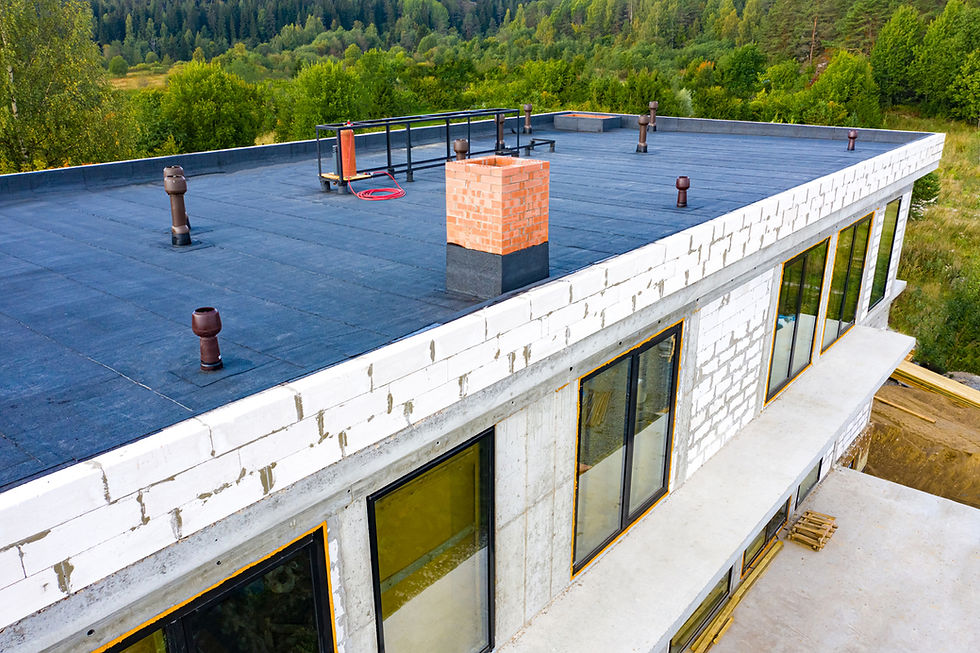
Preparing for a Smooth and Efficient Roof Installation
Successful commercial roof installation in Calgary depends on comprehensive preparation that addresses interior protection, site logistics, communication, weather planning, and safety protocols. Businesses that invest 2-4 weeks in thorough preparation typically complete projects faster, experience fewer disruptions, and achieve better outcomes than those approaching installation reactively.
Property owners should engage roofing contractors early in the planning process, conduct detailed site assessments, and develop written communication plans that keep all stakeholders informed throughout the installation period.
What preparation challenges has your Calgary business encountered during commercial construction projects?
Frequently Asked Questions
How long does commercial roof installation typically take in Calgary?
Commercial roof installation typically requires 1-4 weeks, depending on building size, roof complexity, and weather conditions. A 10,000 square foot flat roof generally takes 7-10 business days with favourable weather, while larger facilities or complex multi-level structures may require several weeks to complete properly.
Can businesses remain operational during roof installation?
Most Calgary businesses can maintain operations during roof installation with proper preparation and communication. Noise levels will be elevated during work hours, but strategic planning of installation phases, interior protection measures, and alternative workspace arrangements allows most companies to continue serving customers and maintaining productivity throughout the project.
What happens if the weather delays the roofing project?
Weather delays are common in Calgary's variable climate. Reputable roofing contractors build flexibility into schedules and communicate proactively when conditions prevent safe work. Businesses should maintain interior protection measures until final completion and work with contractors who monitor weather forecasts to capitalize on favorable windows when they appear.
Do we need to evacuate the building during installation?
Full building evacuation is rarely necessary during commercial roof installation. However, businesses may need to temporarily relocate employees from areas directly beneath active work zones during tear-off phases or when installing systems that generate significant fumes, such as torch-applied modified bitumen in poorly ventilated spaces.
How much advance notice do roofing contractors need?
Quality commercial roofing contractors in Calgary typically require 4-8 weeks' advance notice for project scheduling, especially during peak season (May-September). This timeline allows for proper material ordering, crew scheduling, permit acquisition, and coordination of site preparation activities that ensure smooth project execution.
What's included in a pre-installation site assessment?
Pre-installation assessments examine existing roof condition, structural capacity for new materials, drainage systems, penetrations requiring flashing, interior areas needing protection, site access for equipment, and staging area availability. Professional assessments identify potential complications before installation begins, preventing costly surprises and delays.

About Angel's Roofing: Angel's Roofing delivers professional commercial roof installation throughout Calgary, combining expert planning, premium materials, and proven installation techniques to minimize disruption while ensuring long-term performance.
Ready to make your commercial roof installation smooth, efficient, and disruption-free? Angel’s Roofing helps Calgary businesses plan and execute roofing projects with precision—protecting your operations, minimizing downtime, and delivering long-lasting results.
Contact us today to start your project with a team that prioritizes preparation, performance, and peace of mind.
Disclaimer: This article provides general guidance for commercial roof installation preparation and does not constitute professional advice for specific properties or situations.


Comments