
How Do I Choose a Qualified and Licensed Roofing Contractor in Calgary?


Quick Answer: Verify your Calgary roofing contractor holds valid WCB coverage and liability insurance, request references from recent projects, and confirm they pull proper building permits. According to industry data, 73% of homeowner roofing disputes stem from hiring unlicensed or underinsured contractors.
Calgary's extreme weather conditions—with temperature swings exceeding 40°C annually and severe hailstorms—demand expert roofing installation. Yet many homeowners struggle to distinguish qualified contractors from those lacking proper credentials or experience.
Choosing the wrong roofing contractor can cost thousands in repairs, void material warranties, and create safety hazards. Insurance claims data show improperly installed roofs fail 3-5 years earlier than professional installations.
This guide provides construction industry-tested criteria for selecting qualified roofing contractors in Calgary, helping you avoid costly mistakes while ensuring your investment delivers decades of protection.
Key Takeaways
Verify insurance and WCB coverage - Protects you from liability if workers are injured on your property
Check references and completed projects - Quality contractors provide verifiable work history with contact information
Confirm permit procedures - Licensed contractors handle City of Calgary building permit applications correctly
Review written warranties - Legitimate contractors offer comprehensive material and workmanship guarantees
Compare detailed quotes - Professional estimates specify materials, timelines, and the scope of work clearly
What Licenses and Insurance Should Calgary Roofing Contractors Have?
Calgary roofing contractors must carry Workers Compensation Board (WCB) coverage and commercial general liability insurance with a minimum of $2 million coverage.
While Alberta doesn't require roofing-specific licenses, legitimate contractors maintain current WCB accounts proving they're registered businesses. Request their WCB account number and verify it through Alberta's WCB website. Liability insurance protects your property if installation damages occur.
Essential credentials to verify:
Active WCB clearance letter (dated within 60 days)
Commercial liability insurance certificate ($2M minimum)
City of Calgary business license
Manufacturer certifications for specific roofing systems
How Do I Verify a Contractor's Experience and Reputation?
Request references from three projects completed within the past 12-18 months, preferably in your Calgary neighbourhood.
Contact these references directly and ask specific questions about project timeline, communication quality, cleanup procedures, and whether they'd hire the contractor again. Drive by completed projects to inspect workmanship quality. Check online reviews across multiple platforms, looking for response patterns rather than isolated complaints.
Research checklist:
Better Business Bureau rating and complaint history
Google reviews (look for 4.5+ stars with 50+ reviews)
Presence in Calgary for 5+ years
Photos of completed projects matching your roof type

What Should a Professional Roofing Quote Include?
A comprehensive quote specifies exact materials, labour costs, timeline, payment schedule, and warranty terms without vague "allowances."
Professional estimates detail shingle manufacturer and model, underlayment specifications, ventilation improvements, flashing materials, and disposal costs. The quote should outline start and completion dates, weather delay policies, and payment milestones tied to project stages—never pay the full amount upfront.
Quote Element | What to Look For | Red Flag |
Materials | Brand names, model numbers, quantities | "Builder grade" or vague terms |
Timeline | Specific start date, completion estimate | "We'll fit you in." |
Payment | 3-stage schedule, final payment after completion | 50%+ upfront demand |
Pro Tip: Obtain three written quotes from different contractors to identify pricing outliers and compare approaches—quotes varying by more than 30% warrant additional investigation.
How Important Are Building Permits for Roof Installation?
The City of Calgary requires building permits for most residential roof replacements and all structural modifications.
Professional contractors handle permit applications, ensuring work meets Alberta Building Code requirements for wind uplift, fire resistance, and ventilation. Permits trigger inspections verifying proper installation, which protects your home value and insurance coverage. Unpermitted work can result in fines, forced removal, and insurance claim denials.
What Warranties Should My Roofing Contractor Provide?
Quality contractors offer both manufacturer material warranties (typically 25-50 years) and workmanship warranties (minimum 5-10 years).
Material warranties cover manufacturing defects but require proper installation by certified contractors. Workmanship warranties protect against installation errors like improper nailing, inadequate flashing, or ventilation problems. Ensure warranty terms are written, specify what's covered, outline claim procedures, and ensure they remain valid if the company is sold.
Warranty components to confirm:
Material warranty transferable to new homeowners
Workmanship coverage includes labour and materials for repairs
No hidden exclusions for Calgary's climate conditions
Clear claim process with response timeframes
What Red Flags Should I Watch For?
Avoid contractors demanding large upfront payments, lacking permanent business addresses, or pressuring immediate decisions.
Warning signs include no written contracts, absence of insurance documentation, quotes significantly lower than competitors (suggesting substandard materials or shortcuts), unwillingness to provide references, and aggressive door-to-door sales tactics after storms. Legitimate contractors respect your decision timeline and provide thorough documentation.
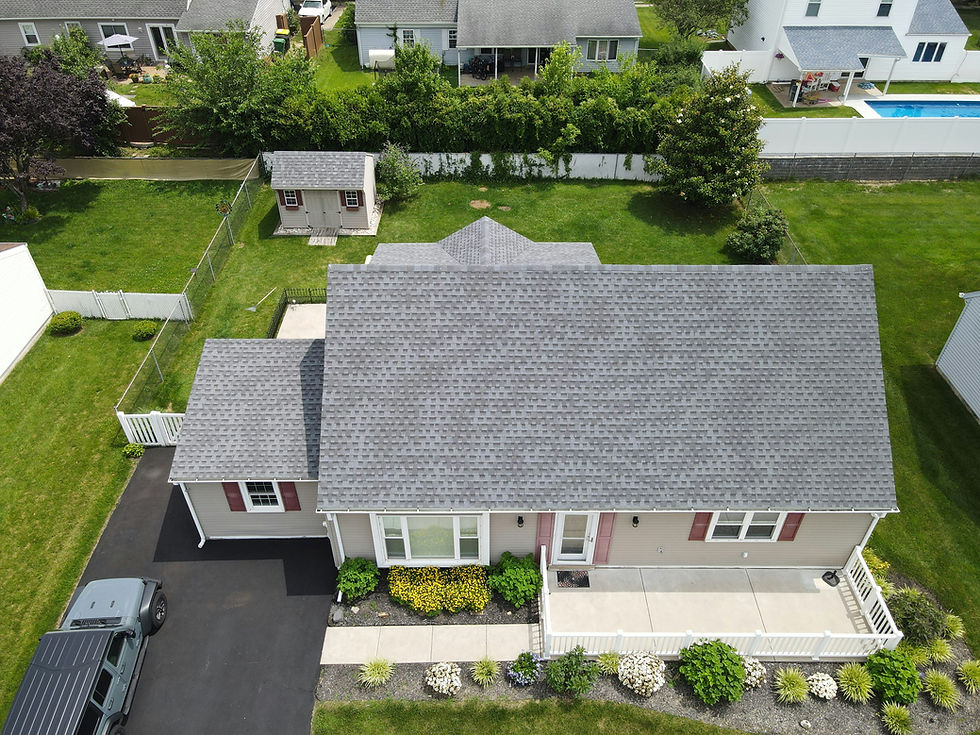
Choose the Right Contractor and Protect Your Investment
Selecting a qualified Calgary roofing contractor requires verifying credentials, checking references, reviewing detailed quotes, and confirming proper permitting procedures. These due diligence steps protect your investment and ensure your roof withstands Calgary's demanding climate for decades.
Start by requesting WCB clearance letters and insurance certificates from at least three contractors. Compare their quotes, check references, and verify their reputation through online research and BBB records.
What questions do you still have about choosing the right roofing contractor for your Calgary home?
Frequently Asked Questions
How much should I expect to pay for roof installation in Calgary?
Calgary residential roof replacement costs range from $8,000-$25,000 depending on roof size, pitch, material choice, and complexity. Asphalt shingles average $4-$7 per square foot installed, while metal roofing runs $10-$16 per square foot, including materials and labour.
Should my roofing contractor be manufacturer-certified?
Manufacturer certification indicates contractors received specialized training for specific roofing systems and follow installation standards required for warranty validity. Certified contractors typically provide enhanced warranties and demonstrate commitment to quality workmanship through ongoing education requirements.
How long does residential roof installation take in Calgary?
Most Calgary residential roof replacements require 2-5 days, depending on home size, weather conditions, and roof complexity. Simple ranch-style homes may complete in two days, while multi-story homes with multiple valleys need 4-5 days for proper installation.
What's the best time of year for roof installation in Calgary?
Late spring through early fall (May-October) offers ideal roofing conditions in Calgary, with consistent temperatures allowing proper shingle sealing. Avoid winter installations when possible, as cold temperatures prevent adhesive activation and ice creates safety hazards for workers.
Do I need to be home during roof installation?
Homeowner presence isn't required during installation, but being available for the initial walkthrough and final inspection ensures clear communication. Contractors need exterior access only, though you should secure interior valuables and expect significant noise during the tear-off and installation phases.
How do I verify that a contractor pulled the proper permits?
Contact Calgary's Planning and Development Services at 403-268-5311 or check online through the city's permit search tool using your address. Legitimate contractors provide permit numbers and arrange required inspections—you can verify permit status and inspection results directly.

About Angel's Roofing: Angel's Roofing provides professional residential roofing installation services throughout Calgary, offering free inspections, transparent pricing, and comprehensive warranties backed by experienced craftsmen committed to quality workmanship.
Ready to protect your home with a roof built to last? Angel’s Roofing helps Calgary homeowners with reliable inspections, high-quality installations, and workmanship you can trust. From the first quote to the final inspection, every step is handled with care, transparency, and attention to detail.
Contact us today to get started on a roofing solution that keeps your home safe and secure for years to come.
Disclaimer: This article provides general information and should not replace professional consultation for your specific roofing project requirements.


Comments