
How Does Calgary's Hail and Wind Exposure Affect Roofing Material Selection?


Quick Answer: Calgary experiences an average of 10-15 hail days annually, making it one of Canada's most hail-prone cities. This extreme weather exposure requires homeowners to prioritize impact-resistant roofing materials with proven wind uplift ratings to protect their investment.
Calgary's position in Alberta's hailstorm alley creates unique challenges for residential roofing. The city ranks among North America's top locations for severe hail damage, with storms generating billions in insurance claims. Between intense wind events and large hailstones, selecting appropriate roofing materials becomes a critical decision that directly impacts long-term durability and maintenance costs.
Understanding how Calgary's specific weather patterns influence material performance helps homeowners make informed decisions. This article examines the relationship between local climate conditions and roofing material selection, providing data-driven insights for optimal roof protection.
Key Takeaways
Impact resistance ratings (Class 3-4) are essential - Calgary's frequent hail requires materials tested to withstand high-velocity impacts
Wind ratings matter significantly - Materials must meet a minimum 175 km/h wind resistance for Calgary's conditions
Material composition affects longevity - Polymer-modified asphalt and metal outperform standard shingles in extreme weather
Installation quality equals material quality - Proper fastening and underlayment installation prevent premature failure
Insurance premiums reflect material choices - Impact-resistant materials can reduce premiums by 15-25%
What Makes Calgary's Climate Uniquely Challenging for Roofs?
Calgary sits in a geographic zone where cold Arctic air collides with warm Pacific currents, creating ideal conditions for severe thunderstorms and hail formation.
The city experiences violent weather shifts throughout the year. Summer brings intense hailstorms with stones reaching golf-ball size or larger, while winter delivers freezing temperatures down to -40°C. Spring and fall contribute powerful chinook winds exceeding 100 km/h, creating uplift forces that test roofing system integrity. This combination of temperature extremes, impact events, and wind stress accelerates material degradation faster than in most Canadian cities.
Key points:
Calgary receives more hail days than 95% of Canadian cities
Temperature fluctuations of 30-40°C within 24 hours stress all materials
Wind gusts regularly exceed 90 km/h during storm events
How Do Impact Resistance Ratings Guide Material Selection?
UL 2218 impact resistance ratings classify roofing materials into four classes, with Class 4 offering the highest protection against hail damage.
Testing involves dropping steel balls from specific heights onto roofing samples. Class 1 withstands a 1.25-inch ball, while Class 4 survives a 2-inch ball dropped from 20 feet. For Calgary conditions, Class 3 represents the minimum acceptable standard, though Class 4 provides superior protection. Impact-resistant asphalt shingles incorporate modified asphalt formulations with SBS (styrene-butadiene-styrene) polymers that maintain flexibility during impacts, reducing crack formation and granule loss.
Material Type | Impact Rating | Typical Lifespan (Calgary) |
Standard Asphalt | Class 1-2 | 15-20 years |
IR Asphalt Shingles | Class 3-4 | 25-30 years |
Metal Roofing | Class 3-4 | 40-50+ years |

What Wind Resistance Standards Apply in Calgary?
Calgary's wind exposure requires roofing materials rated for high wind zones, with a minimum resistance of 175 km/h recommended.
Wind resistance depends on shingle design, adhesive strips, and proper installation. High-wind shingles feature enhanced adhesive coverage and reinforced construction. Metal roofing systems, when properly fastened, can withstand winds exceeding 200 km/h. Installation practices prove equally important as material specifications. Proper nail placement, adequate fastener quantity, and correct underlayment attachment create redundant protection layers. Edge zones and roof corners require special attention, as these areas experience wind forces up to three times higher than field sections.
Pro Tip: Specify six nails per shingle instead of the standard four in high-wind zones to increase pull-through resistance by approximately 40%.
Which Roofing Materials Perform Best in Calgary's Climate?
Impact-resistant asphalt shingles and metal roofing systems demonstrate superior performance in Calgary's demanding conditions.
Impact-resistant asphalt shingles incorporate polymer modifiers that maintain flexibility across temperature ranges. These shingles resist granule loss during hail impacts and thermal cycling. Premium options include laminated construction with multiple layers providing redundant protection. Warranties often extend 25-30 years with proper installation and maintenance.
Metal roofing offers exceptional durability against both hail and wind. Steel and aluminum panels resist denting from smaller hailstones, while standing seam systems provide continuous weather-tight coverage. Metal's smooth surface sheds snow and ice efficiently, reducing load stress during Calgary winters. Initial costs run higher, but lifespan often exceeds 50 years with minimal maintenance.
Stone-coated steel combines metal durability with aesthetic appeal. The stone coating absorbs hail impact energy, preventing substrate damage while offering a traditional shingle appearance.
How Does Underlayment Selection Complement Material Choice?
High-performance synthetic underlayment provides critical secondary protection beneath primary roofing materials in Calgary's extreme climate.
Traditional felt underlayment degrades rapidly under UV exposure and temperature cycling. Synthetic alternatives offer superior tear strength, water resistance, and longevity. Rubberized asphalt membranes in valleys and eaves provide ice dam protection during spring melt cycles. For Calgary applications, a 30-pound minimum felt or premium synthetic underlayment should be considered a mandatory specification. Proper overlap and fastening patterns ensure continuous moisture barriers even if primary materials fail during severe weather events.
What Role Does Proper Installation Play?
Installation quality determines whether roofing materials achieve their rated performance specifications in real-world conditions.
Certified installers understand Calgary-specific challenges and follow manufacturer specifications precisely. Proper ventilation prevents ice dam formation and extends material life. Adequate attic insulation and ventilation maintain stable roof deck temperatures, reducing thermal stress on materials. Fastener selection and placement patterns must account for wind uplift zones. Quality contractors provide both material and labour warranties, protecting homeowners against premature failure. Rushing installation during favourable weather often compromises long-term performance, making contractor selection as critical as material choice.
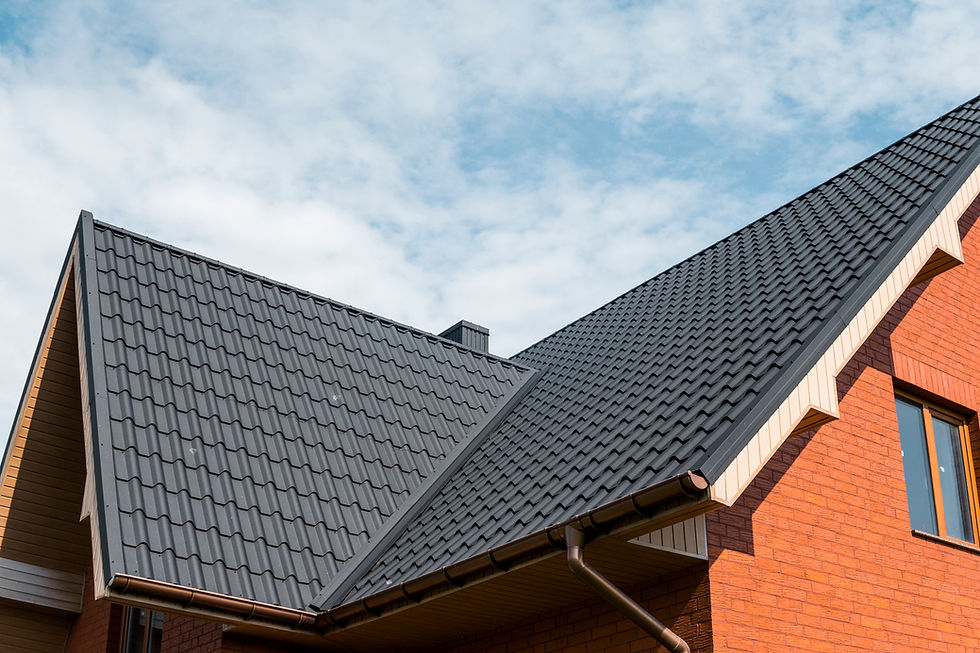
Making the Right Roofing Choice for Calgary Homes
Calgary's position in Canada's hailstorm alley demands thoughtful roofing material selection based on impact resistance, wind ratings, and proven climate performance. Homeowners investing in Class 3-4 impact-resistant materials with proper wind ratings protect their homes while potentially reducing insurance costs. Material selection represents only half the equation, as professional installation following manufacturer specifications ensures rated performance.
Consulting with experienced local roofing contractors familiar with Calgary's specific challenges provides valuable insights beyond generic recommendations. Request detailed material specifications, warranty information, and installation timelines before making final decisions. Have you evaluated whether your current roof meets Calgary's demanding performance requirements?
Frequently Asked Questions
Do impact-resistant shingles cost significantly more?
Impact-resistant asphalt shingles typically cost 10-20% more than standard options. However, extended lifespan, reduced maintenance, and potential insurance discounts offset initial investment within 5-7 years for most Calgary homeowners.
Can I install metal roofing over existing shingles?
Many metal roofing systems allow installation over one layer of existing asphalt shingles when the roof decking remains structurally sound. This approach reduces disposal costs while adding insulation value, though local building codes must be verified first.
How often should Calgary roofs be inspected?
Annual inspections following the spring hail season help identify damage before minor issues escalate. Additional inspections after severe weather events catch problems early, maximizing warranty coverage and preventing interior water damage.
What warranty coverage should I expect?
Quality roofing materials include 25-50-year manufacturer warranties on defects. Reputable contractors provide 5-10-year labor warranties. Impact-resistant products often include enhanced wind and hail damage coverage compared to standard materials.
Do darker shingle colours affect performance?
Darker colors absorb more heat, potentially reducing lifespan by 10-15% in intense sun exposure. However, impact resistance and material quality matter more than color for Calgary's climate. Cool-roof technologies in darker shades minimize heat absorption disadvantages.
How quickly can hail damage compromise roof integrity?
Severe hail creates immediate damage, including cracked shingles, granule loss, and exposed substrate. Without prompt repair, compromised areas allow moisture penetration within weeks, accelerating deterioration and potentially voiding warranties if damage goes unreported.

About Angel's Roofing: Angel's Roofing provides expert residential roof installation throughout Calgary, specializing in impact-resistant materials engineered for local climate conditions.
Ready to protect your home with a roof built for Calgary’s toughest weather? Angel’s Roofing helps homeowners choose and install impact-resistant roofing systems that improve durability, enhance protection, and stand up to hail and high winds.
Contact us today to get a roofing solution designed for long-term performance and peace of mind.
Disclaimer: This article provides general information and should not replace professional roofing consultation for specific property conditions.


Comments