
Signs Your Calgary Siding Needs Replacing


Quick Answer: Calgary siding needs replacing when you see widespread cracking, warping, soft or spongy patches, peeling paint, mould or dark streaking, or visible gaps at seams. Hidden warning signs include rising energy bills, peeling interior paint near exterior walls, and a musty basement smell. Siding past 25 to 30 years with multiple symptoms is almost always a replacement, not a repair.
Calgary's climate punishes siding in ways subtler than most homeowners notice. Hail dents you can see. Granular UV breakdown, freeze-thaw cracks at seam joints, and water that's quietly soaking the sheathing behind a still-attractive panel are the kinds of damage that catch homeowners off guard. The damage you can see usually points to damage you can't. This guide walks through the warning signs you can spot from the ground, the hidden ones that show up months later, and the repair-versus-replacement decision points so you know whether you're looking at a $1,500 fix or an $18,000 project.
At a Glance
Cosmetic warning signs: cracks, holes, warping, fading, peeling paint
Structural warning signs: soft patches, mould, dark streaking, visible gaps
Hidden warning signs: rising energy bills, interior paint failures, musty smell
Repair threshold: isolated damage on siding under 12 to 15 years old
Replacement threshold: widespread damage or siding 25+ years old
Typical Calgary siding lifespan: vinyl 25 to 35 years, Hardie 30 to 50 years
Most common Calgary trigger: hail damage and freeze-thaw seam failure
Visible Warning Signs You Can Spot From the Ground
Walk the perimeter of your home on a clear day. Look up to the gable ends, along the corner trim, and at every seam where two panels meet.
Cracks and holes. Any crack longer than a hand width, any hole, or any split running across multiple panels indicates damage that's compromising the weather barrier. Single small impacts can sometimes be patched; widespread cracking cannot.
Warping, buckling, or rippling. Vinyl that's pulled away from the wall, lifted at seams, or developed a wavy surface has either failed at the fastener or reached the end of its UV life. Hardie, that's bowed or curled, has experienced moisture intrusion.
Peeling, blistering, or chalking paint. Common on older cedar, stucco, or paint-grade Hardie. The surface barrier has failed, and water is reaching the substrate.
Visible fading or colour washout. South- and west-facing walls fade first in Calgary's UV-intense climate. Mild fading is cosmetic; severe fading often signals that the protective pigment layer is gone.
Gaps at seams, trim, or corners. Daylight visible at any siding seam means water has a path in. The gap usually started as caulking failure and grew as freeze-thaw worked on it.
Loose or missing pieces. Hail, wind, or improper fastening leaves panels hanging or absent. Replace immediately to prevent water from reaching the wrap.
If you see three or more of these signs across multiple walls, the siding is past targeted repair.
Hidden Damage That Surfaces Months Later
The siding looks fine. The damage is already done.
Sealant failures. Calgary hail can break thermal seals between panels without damaging the panel face. The next windstorm lifts the unsealed panel, exposing the wrap. By the time you notice the lifted panel, water has often already reached the sheathing.
Behind-the-panel water staining. When water reaches the wrap, it leaves dark streaks visible only when you remove a panel. Crews doing a targeted repair often find these stains and use them to identify which sections need a full tear-off.
Hidden sheathing rot. Sustained moisture against OSB or plywood sheathing produces rot that doesn't reach the interior surface until it's severe. By the time you smell mould inside, the structural decking is often soft to the touch.
Insulation degradation. Wet insulation loses R-value progressively. Calgary homes with hidden envelope leaks often show rising heating costs over 3 to 5 winters before the source is identified.
Pest entry. Mice, squirrels, and birds exploit gaps in siding and trim. Active nesting in wall cavities is a confirmation that the envelope has been compromised somewhere.
The cluster article on hail damage to siding walks through post-storm hidden-damage patterns specifically.
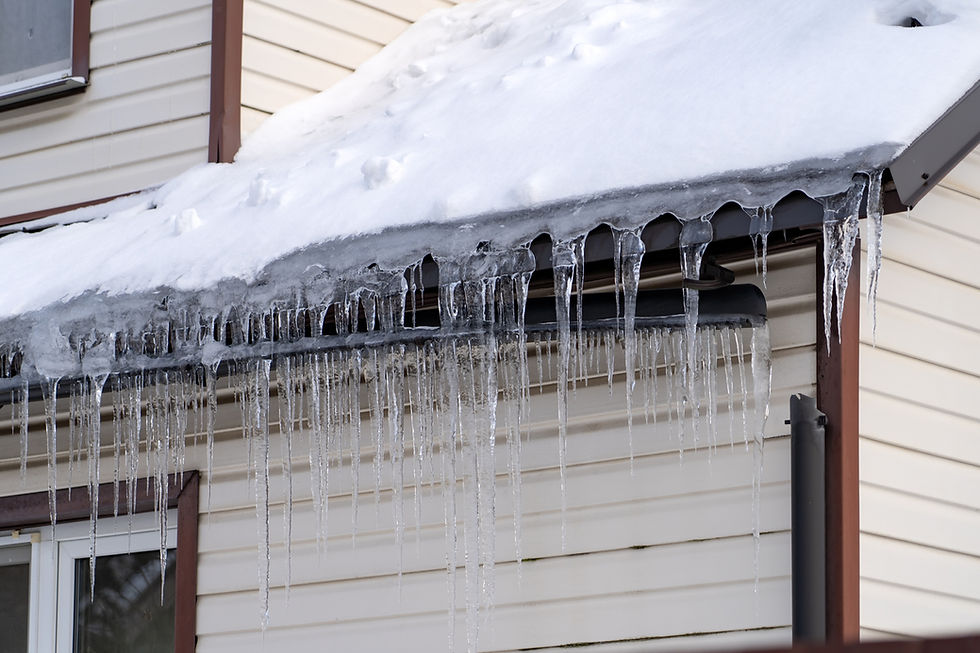
Why Calgary Climate Accelerates Siding Failure
Calgary siding doesn't fail at the same rate as siding in milder climates. Four local factors compress the lifespan:
Freeze-thaw
Roughly 100 freeze-thaw cycles per year drive water into seams, freeze it, expand the defect, then thaw and repeat. Materials that seal tightly (Hardie, ACM with engineered joints, premium vinyl) outlast materials that don't.
Hail
Calgary's position in Canada's most active hail corridor exposes siding to multiple damaging storms across a typical 20-year ownership. The 2024 storm caused $2.8 billion in insured damage and replaced thousands of Calgary siding installations.
Chinook winds
Rapid 20- to 30-degree Celsius temperature swings stress materials thermally. Rigid materials crack; flexible materials handle it better.
UV
Calgary sits at 1,045 metres of elevation under clear-sky conditions. UV breakdown of pigments and polymers happens faster than in lower-elevation cities.
A Calgary home should expect siding maintenance roughly every 5 to 7 years and full replacement within 25 to 35 years on quality vinyl, longer on Hardie or premium panels.
Repair vs Replacement Decision Points
Five factors push the decision toward one side or the other.
Damage scope. Damage concentrated on one wall or one section favours repair. Damage spread across multiple walls favours replacement.
Age. Siding under 12 years with isolated damage is a clear repair candidate. Siding 15 to 20 years with moderate damage is borderline. Siding 25+ years with any meaningful damage almost always needs to be replaced because the rest is approaching end-of-life regardless.
Cost ratio. The 30% rule applies: if the repair cost exceeds 30% of the replacement cost, replacement is usually the smarter choice.
Matching. Vinyl colours discontinued by manufacturers can't be matched. Hardie planks can usually be matched within a colour range. ACM panels in standard finishes match cleanly. If the section needing repair can't be matched, the visible patch may justify replacing the whole wall.
Hidden damage was found during the tear-off. Sheathing rot, insulation damage, or framing issues found during a repair often expand the scope to full replacement on that wall or the whole house.
The pragmatic test: if a written contractor assessment finds damage in three or more locations and the home is past 15 years, expect a replacement recommendation.
What an Exterior Assessment Actually Checks
A professional exterior assessment is the basis for the repair-vs-replacement decision. A thorough Calgary assessment covers:
Visual perimeter walk with photos at each damage location
Touch-test on suspicious areas to identify soft spots and substrate damage
Caulking inspection at every window, door, and corner trim
Seam and butt-joint inspection for separation, gap, or sealant failure
Roof-to-wall transition inspection (flashing, kickout flashing, gutter integration)
Eavestrough and downspout condition (failed gutters dump water onto siding)
Soffit and fascia inspection for water damage from above
Sample panel removal in suspected hidden-damage zones (with homeowner consent)
Interior wall check for telltale signs (peeling paint, dampness, drywall stains)
Written report with photos, findings, and itemized recommendations
A reputable Calgary contractor delivers the assessment in writing within 24 to 48 hours. Verbal-only quotes without a photo report should be a red flag.

Risks of Waiting
Recognizing the signs your Calgary siding needs replacing helps prevent small issues from becoming costly repairs. Waiting too long allows hidden damage to spread and increases restoration costs.
Water reaches the wrap
Once water gets behind the cladding, the wrap takes the load. Quality wrap handles short-term water exposure. Sustained intrusion overwhelms it.
Sheathing rot
Water on OSB or plywood softens it within months. Rotted sheathing requires panel removal, structural repair, and re-sheathing before new siding can be installed. A $15,000 siding job can become a $20,000-plus project once sheathing repair enters the scope.
Mould
Wet wall cavities grow mould. Remediation costs $1,500 to $8,000, depending on the extent. Some mould affects respiratory health, which adds urgency for households with sensitive occupants.
Insurance complications
Damage discovered after a major storm can be claimed up to 1 to 2 years later on most Alberta policies. Damage that accumulated over the years is rarely covered as a hail or wind event.
Resale impact
Visible siding failure shows up in pre-listing photos and in-person showings. Calgary buyers and their inspectors flag failing siding aggressively in offer conditions.
The longer you wait once warning signs appear, the smaller the gap between targeted repair and full replacement cost becomes.
Frequently Asked Questions
How often should I inspect my siding?
Walk the perimeter twice a year, ideally in spring after freeze-thaw season and fall before winter. After any hailstorm of 15 mm or larger, do a focused inspection within 7 days. Calgary's storm season makes mid-summer checks valuable.
Does cracked siding always mean replacement?
No. A single cracked panel can often be replaced individually if the surrounding siding is sound, the colour matches, and the underlying wrap is intact. Cracks in multiple panels across multiple walls almost always indicate widespread material failure.
Can hail damage hide for months?
Yes. Sealant failures, vent fractures, and behind-panel water staining commonly go unnoticed until the next windstorm lifts an unsealed panel or interior signs appear. A post-storm assessment within 30 days catches most hidden damage before it spreads.
What's the cheapest siding repair?
Single-panel vinyl replacement is typically $200 to $500 if the colour matches. Hardie plank replacement runs $300 to $700. ACM panel replacement varies by panel size and runs from $400 to $1,200 per panel. These prices assume no hidden damage discovered during the work.

About Angel's Roofing: Angel's Roofing provides Calgary residential siding assessment, repair, and replacement throughout Calgary and surrounding areas, specializing in written exterior assessments and certified installation for homeowners requiring trusted protection of their home's exterior envelope.
Ready to find out if your Calgary siding needs replacing or just targeted repair? Angel's Roofing helps Calgary homeowners protect their investment with photo-documented exterior assessments, transparent repair-vs-replacement recommendations, and 25+ years of local exterior experience.
Contact us today at 403-569-2643 to book your complimentary siding assessment.
Disclaimer: Roofing involves safety risks; consult licensed professionals for work beyond ground-level visual checks. Costs and specifications provided are estimates based on typical Calgary market conditions and may vary based on specific project requirements and current material pricing.


Comments