
Summer Roof Maintenance Tasks for Calgary Homes


Quick Answer: Summer roof maintenance for Calgary homes focuses on six tasks: post-storm walk-arounds, gutter and downspout flow checks, sealant condition inspection (heat reveals failures), vent screen and pipe boot integrity, tree limb growth, and skylight seal observation. Most of these are safe from the ground or a stepladder. Climbing the roof or pressure-washing is not recommended; both create more problems than they solve.
Summer maintenance is lighter than the spring deep cleanup. The work shifts from "remove winter damage" to "monitor through storm season and catch early failures." Calgary's combination of intense UV, sudden storms, and high attic temperatures creates failure modes that don't show up in spring inspections. This article walks through what to check, when to check it, what's safe to do yourself, and where the professional line is.
At a Glance
Summer check frequency: Monthly, plus after every significant storm
Time per check: 15 to 30 minutes from the ground
Tasks safe to DIY: Visual checks, gutter flow observation, debris noting
Tasks for professionals: Roof-walking inspections, sealant work, repairs above ground level
Most overlooked summer task: Sealant inspection in afternoon heat (when failures are visible)
Cost of professional summer inspection: $250 to $500 typical
Tree clearance recommendation: Minimum 3 metres from roof surface
Quick Post-Storm Checks
Calgary thunderstorms are short and intense. After any storm with strong wind, rain, or hail, walk the perimeter of the house within 24 hours.
What to look for from the ground:
Granule accumulation in downspout outlets and along the driveway. A sudden increase suggests impact damage.
Shingle pieces in the yard. Wind uplift removes shingles cleanly; you'll find evidence on the lawn.
Bent or dented gutters and downspouts. Aluminum shows hail clearly.
Damaged exterior items. Dented vehicles, broken outdoor furniture, and damaged garden ornaments indicate hail size and severity.
Interior ceiling stains. Walk through the upstairs rooms looking for any new marks, especially near skylights and chimneys.
If you see meaningful damage, document everything with photos before contacting your insurer or a contractor. Date-stamped phone photos work fine. Photograph hail with a coin for scale if any is still on the ground.
Gutter and Downspout Flow
Calgary's summer thunderstorms can drop 20 to 40 mm of rain in 30 minutes. Blocked gutters back up water at the eaves, which can force water under shingles or behind fascia.
During or right after a heavy rain, watch the gutters and downspouts:
Water overflowing the front lip of the gutter means the gutter is full of debris or the slope is wrong.
Water sheeting off the roof past the gutter means the gutter is misaligned or there's a gap at the drip edge.
Downspouts that drain slowly or back up are usually clogged, often where the elbow turns at the bottom.
Pooling water at the base of downspouts can indicate poor grading or missing extensions.
Gutter cleaning is a spring task primarily, but summer cleanings are sometimes needed after heavy pollen, leaf drop from early-stressed trees, or major debris events. If the gutter is full of solid debris, it needs attention before the next storm.

Sealant and Flashing Inspection (Heat Helps)
Summer heat reveals sealant failures that hide in cooler weather. As the asphalt, metal, and sealants heat through the afternoon, gaps and pull-aways become visible. The places to look (from a stepladder or with binoculars from the ground):
Around chimney flashing. Sealant lines at the chimney perimeter often crack first.
Around skylight perimeters. VELUX skylights and similar units use sealants and flashing that can fail after 8 to 12 years.
At pipe boots. Rubber pipe boots crack along their cone, usually visible as a horizontal line.
At plumbing vent collars. Sheet-metal collars develop sealant gaps where they meet shingles.
Where roof meets a wall. Step flashing at sidewalls accumulates sealant failures over time.
If you see pulled-away sealant, exposed staple heads, lifted flashing, or cracked pipe boots, document the location with photos and book a professional repair before fall. These failures don't leak immediately in dry summer, but they become winter leaks reliably.
Vent Screens and Pest Entry
Roof vents are a common summer entry point for pests. Squirrels, wasps, and birds find any vent with damaged screening or missing covers.
Check the following from the ground or with binoculars:
Soffit vent screens. Look for chewed corners, displaced screens, or visible holes.
Static roof vents. The dome should be intact; the screen underneath should be solid.
Plumbing vents. Open at the top by design, but should be straight and not damaged.
Gable end vents (if present). Screens degrade in UV and can come loose.
Wasp nests inside soffit vents are common in Calgary by August. Visible activity (wasps coming and going from a single point under the soffit) usually indicates a nest. Pest removal is the first call; vent screen repair is the follow-up.
Tree Limb Clearance
Trees grow most actively in early summer. By July, the spring's new growth may have closed the gap between branches and roof.
Walk around the house and look for:
Branches touching shingles. Even light contact abrades granules in the wind.
Limbs hanging over the roof. Drop falling debris (cones, needles, leaves) onto the roof and into gutters.
Dead or dying limbs. Calgary's hard winters can stress trees; dead limbs become storm projectiles.
Branches near power service drops. Safety hazard separate from roof damage.
Minimum recommended clearance is 3 metres between branches and roof. Trimming is best done by a certified arborist, especially for limbs above structures or near power lines.
Skylight Condition
Skylights are the highest-failure component on most Calgary roofs. The combination of UV exposure, thermal cycling, and weather impact stresses seals faster than the surrounding roof.
What to check from inside the home:
Condensation between glazing layers. Visible in cool morning hours; indicates a failed seal.
Stains on the skylight shaft or surrounding ceiling. Active or past leak indicator.
Drafts or visible daylight at the skylight frame. Means flashing or seal failure.
What to check from outside (binoculars or stepladder):
Cracked or pitted glazing. Hail damage indicator.
Pulled-away exterior sealant. Common after 10+ years of UV.
Frame discoloration or warping. Indicates frame degradation.
VELUX skylights have a documented service life of 20 to 25 years for the unit and 8 to 12 years for the seals and flashings. Replacement is straightforward; repair of an old failing skylight rarely lasts.
Safe Ground-Level Checks vs When to Call
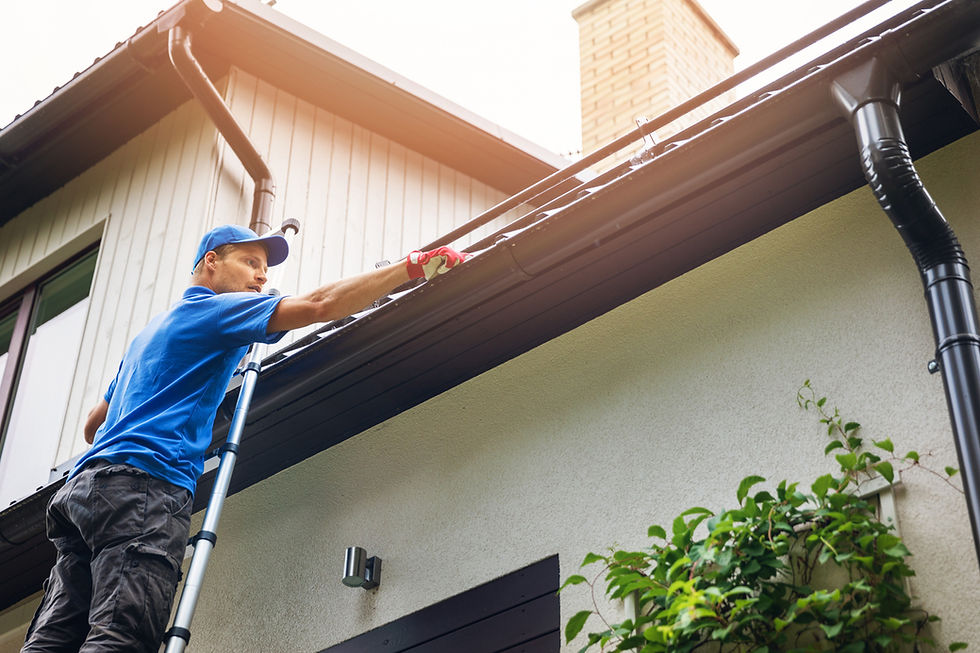
The line for DIY is at the stepladder. Summer roof maintenance for Calgary homes can include ground-level visual checks, binocular surveys, gutter inspection from a stepladder, and walking the perimeter, all of which are safe with normal precautions.
Climbing the roof is not recommended. Calgary roofs are pitched, shingles get hot and slippery in summer, and a fall from even a single storey causes serious injury. Roofers with safety equipment, fall protection training, and proper footwear handle this routinely; homeowners do not.
Pressure washing is also not recommended. The pressure strips granules, voids most manufacturer warranties, and can drive water under shingles. Moss or algae growth is best handled with proper roof-safe chemical treatments applied by a professional.
If you see damage, sealant failure, or anything that would require touching the roof to address, call for an assessment. Most reputable Calgary contractors offer free or low-cost summer assessments, and the cost of professional repair is almost always lower than the cost of fixing a DIY mishap.
Frequently Asked Questions
Can I pressure wash my asphalt roof in summer?
No. Pressure washing strips granules from shingles, voids most manufacturer warranties, and can force water under flashing. If your roof looks dirty or stained, professional soft-wash treatment or chemical algae control is the safer route.
Should I trim trees in summer?
Light branch trimming is fine; major pruning is better done in late fall or winter when sap is down, and the tree is dormant. For limbs over the roof or near power lines, hire a certified arborist regardless of season.
How often should I check the roof in summer?
Monthly visual checks from the ground are a reasonable baseline. After any storm with hail, strong wind, or heavy rain, check within 24 hours. After a major event, schedule a professional inspection within 7 to 14 days.
Are summer roof maintenance contracts worth it?
For homeowners who want documented annual inspections plus priority response, yes. Most reputable Calgary contractors offer maintenance plans for $300 to $600 per year covering inspection, minor sealant work, and discounted emergency response.
Is summer a good time to clean gutters?
If they need it, yes. Most Calgary homes only need cleaning in spring and late fall, but summer cleaning is appropriate after heavy debris events (pollen, early leaf-drop, storm debris).

About Angel's Roofing: Angel's Roofing provides Calgary summer roof maintenance throughout Calgary and surrounding areas, specializing in seasonal inspections, sealant and flashing work, vent and skylight repair, and certified material systems for homeowners requiring trusted summer-season care.
Ready to schedule your Calgary summer roof maintenance? Angel's Roofing helps Calgary homeowners protect their investment with written inspection reports, ground-up assessments, GAF, IKO, Malarkey, and VELUX certified work, and 25+ years of Calgary maintenance experience.
Contact us today at 403-569-2643 to book your complimentary summer maintenance assessment.
Disclaimer: Roofing involves safety risks; consult licensed professionals for work beyond ground-level visual checks. Costs and specifications provided are estimates based on typical Calgary market conditions and may vary based on specific project requirements and current material pricing.


Comments