
The Complete Calgary Homeowner's Guide to Residential Roof Inspections


Quick Answer: Calgary homeowners need a residential roof inspection at least once a year, plus an extra check after any 2 cm hailstorm or sustained Chinook wind. Standard inspections cost $75 to $450 and take 45 to 90 minutes, covering shingles, flashing, gutters, attic, ventilation, and interior signs with photo-documented findings.
A residential roof inspection in Calgary is a structured visual and physical assessment of your roof's exterior, components, attic, and interior signals, performed to catch damage before it becomes a leak, replacement, or insurance dispute. For most Calgary homes, that means a comprehensive inspection at least once a year, plus a check after any significant hailstorm, Chinook wind event, or heavy ice-dam season. Costs typically range from $75 to $450 for a standard physical inspection, with drone-assisted inspections running $100 to $600. A thorough report covers shingles, flashing, gutters, attic ventilation, structural integrity, moisture, and moss or algae growth, with photo documentation you can share with your insurer.
Most Calgary homeowners ask the same first questions. How often do I need one? At least annually, with extra checks after hail and Chinook wind events. What does it cost? Usually $75 to $450, depending on home size, slope, and complexity. What gets checked? Shingles, flashing, gutters, soffit and fascia, attic, ventilation, and any visible interior signs. Can I do it myself? A ground-level visual check is safe and useful; climbing the roof is not. When should I book one? Early fall is ideal; spring and post-storm checks are the next priorities.
This guide walks you through every part of the process, from understanding why Calgary's climate makes roof inspections non-negotiable to reading the report you receive at the end.
At a Glance
Quick Facts:
Recommended frequency: Annually for roofs under 15 years; twice a year for older roofs and after major storms
Typical cost range: $75 to $450 for standard inspections; $100 to $600 for drone-assisted
Standard duration: 45 to 90 minutes for a single-family home
Best months in Calgary: September and October, then April and May
Calgary climate stressors: 100+ freeze-thaw cycles per year, hail season May through September, Chinook wind events year-round
Report contents: Photo documentation, severity-ranked findings, recommended actions, estimated remaining lifespan
Why Calgary Roofs Need More Inspections Than the National Average
The National Roofing Contractors Association (NRCA) recommends inspections twice a year for most North American homes. Calgary's climate makes the floor, not the ceiling. Environment and Climate Change Canada records over 100 freeze-thaw cycles in a typical Calgary winter, each one expanding and contracting shingles, flashing, and sealant. Few cities in North America put roofs through that level of thermal stress.
Hail is the second pressure. The Insurance Bureau of Canada has consistently ranked Alberta as the top hail-loss province, with Calgary at the centre of "hailstorm alley." A single summer storm can bruise asphalt granules, dent metal, and split aging shingles without leaving an obvious leak for months. By the time water shows up on the ceiling, granule loss has already accelerated, and your warranty window may have narrowed.
Chinook winds add a third stressor. Temperature swings of 20 degrees Celsius in a few hours flex shingles, lift edges, and pry at flashing seams. South-facing slopes get the worst of it. The combined effect is that a Calgary roof typically ages faster than the same product installed in a milder climate, and the early warning signs are easier to miss without a trained eye.
Annual inspections catch this damage in the small-fix stage. A loose flashing repaired in October costs a fraction of the interior drywall, insulation, and structural repair that follows a winter leak.
What a Residential Roof Inspection Actually Covers
A complete inspection moves through six zones in order. Each zone has its own failure modes, and skipping any of them leaves a blind spot.
Exterior surface. Shingles or panels are checked for lifting, curling, cracking, granule loss, hail bruising, and missing pieces. The inspector notes patterns, not just individual issues, because patterns reveal underlying causes like ventilation problems or wind exposure.
Flashing and penetrations. Every place the roof meets something else (chimney, vents, skylights, valleys) is sealed with flashing. Calgary's freeze-thaw cycles attack these seams first. Cracked sealant, lifted metal, and rust are flagged.
Gutters, soffit, and fascia. Granules in the gutters often signal end-of-life shingles. Sagging gutters, ice-dam staining, blocked downspouts, and rotted fascia all show up here.
Attic interior. This is the most diagnostic zone. Inspectors look for daylight through the deck, water staining on rafters, mould, frost on nails (a ventilation issue), insulation compression, and pest entry. Many roof problems show up in the attic before they show on the surface.
Ventilation. Intake at the soffits and exhaust at the ridge or vents must be balanced. Imbalance causes ice dams, premature shingle aging, and high attic temperatures that shorten roof life.
Interior ceilings and walls. Stains, bubbling paint, sagging drywall, and musty smells in upper rooms point back to the roof.
A written report should organize findings by zone, photograph each issue, and rank items by urgency.
How Often You Should Book One in Calgary
For roofs under 15 years old in good condition, an annual fall inspection is the baseline, with an extra check anytime hail of 1 cm or larger falls in your area. For roofs 15 to 20 years old, move to twice a year (spring and fall) and add a post-Chinook check if you have visible shingle aging.
For roofs over 20 years, especially asphalt, plan on twice a year plus event-triggered checks. The Alberta Building Code does not mandate inspection frequency for residential roofs, but insurance carriers increasingly ask for documented maintenance history when adjudicating storm claims. A consistent inspection record protects both your roof and your claim.
Trigger events that should always prompt an inspection: any hailstorm with stones 2 cm or larger, sustained Chinook winds above 80 km/h, ice damming visible from the ground, or any new interior water stain. After a real estate purchase, an inspection within the first year is good practice, even if the home inspection report looked clean. A general home inspector is not a roof specialist.
If you are due for a check or just bought a home, Angel's Roofing offers a comprehensive Calgary residential roof inspection with a full written report. See the inspection service page for details.
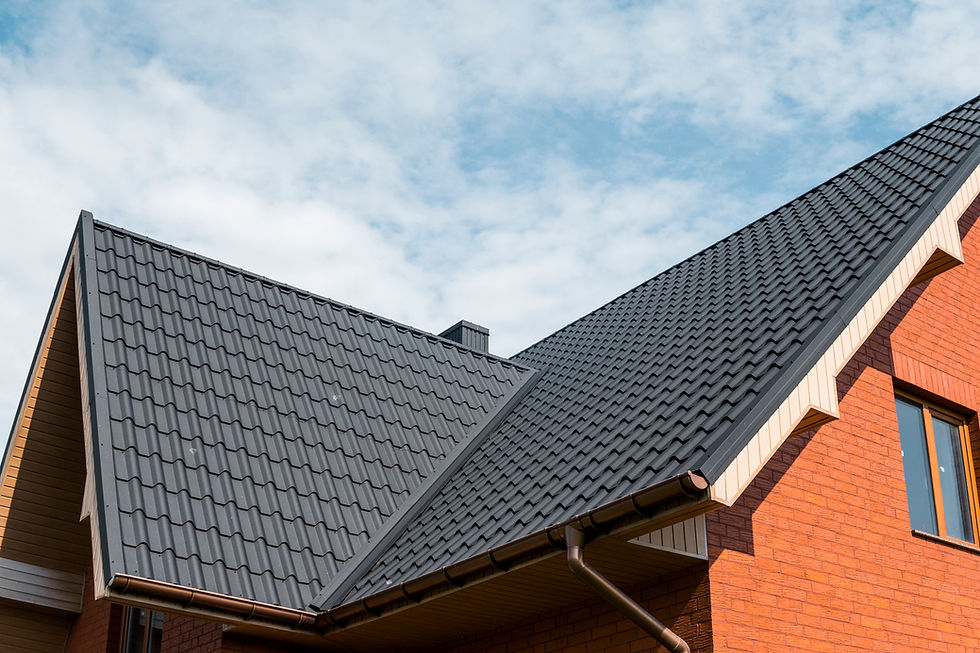
What It Costs in Calgary
A standard residential physical inspection in Calgary typically runs $75 to $450. Drone-assisted inspections, which are useful for steep or complex roofs, range from $100 to $600. Pricing depends on three main factors.
Home size and roof complexity. A bungalow with a simple gable roof sits at the low end. A two-storey with multiple valleys, dormers, and skylights climbs toward the top.
Inspection scope. A basic visual walk-through is cheaper than a moisture-meter assessment, attic-included inspection, or pre-insurance-claim documentation package.
Free inspections. Many Calgary roofers offer free visual quotes tied to a sales conversation. These are useful for ballpark replacement estimates but are not a substitute for a comprehensive paid inspection with a written report. Ask up front whether you will receive a documented report or just a verbal quote.
For homes filing or anticipating an insurance claim, a paid inspection with photo documentation is almost always worth the cost. Insurers respond faster to itemized, dated reports than to verbal damage summaries.
The 10 Warning Signs That Mean Book Now
Some symptoms can wait for the next scheduled check. Others mean call this week. The most urgent ones in Calgary:
Active interior leak or water stain. Always urgent. The visible mark is usually downstream of the actual entry point.
Hail-event aftermath. Even with no visible damage from the ground, get a check within 30 days to preserve insurance options.
Granules are collecting in gutters. End-of-life signal on asphalt shingles.
Visibly lifted, curled, or missing shingles. Wind or age failure; the next storm widens the gap.
Daylight visible from the attic. Structural issue or significant damage; act now.
Sagging roofline. Possible deck rot or structural compromise; do not delay.
Ice dams form each winter. There is a ventilation or insulation problem that will keep recurring.
Mould smell or visible mould in upper-floor rooms. Long-term moisture intrusion.
Roof age has passed the manufacturer-stated lifespan. Time for an end-of-life assessment.
Recent or planned home sale. Documentation protects both buyer and seller.
These signs are covered in detail in the dedicated warning-signs article in this cluster.
Best Time of Year for a Calgary Inspection
Early fall is the priority window. September and early October give you dry weather, accessible roofs, and time to schedule any repairs before snow. Most Calgary roofers see their busiest booking pressure in late October when homeowners realize winter is closing in, so booking by early September gets you better availability.
Spring is the next window. April and May reveal damage from the winter freeze-thaw cycle and any late-season ice dams. Spring inspections also catch snow-load stress before the next round arrives.
Mid-summer is fine for routine checks, but it is also peak hail season. After any storm that produces 1 cm hail or larger in your area, book a check within 30 days. Insurance carriers in Alberta typically expect storm damage to be reported within a defined window, and a delayed inspection can complicate the claim.
Avoid scheduling during active snow cover or icy conditions. Inspectors cannot safely access a roof under 5 cm of snow, and a snow-covered roof hides most of the issues an inspection is meant to find.
DIY Ground Checks vs Pro Inspections
There is real DIY value in Calgary, but it stops at the eaves trough. From the ground with binoculars, a homeowner can safely check shingles for visible lifting or damage, gutters for granule accumulation, fascia and soffit for staining, downspouts for blockages, and the attic for daylight, water stains, and frost on nails.
What you should not do: climb the roof. Calgary roofs are typically steeper than national averages because of snow-load design, and a fall from a residential roof is one of the most common serious injuries in DIY home maintenance. Hail damage assessment and flashing inspection also require training to do reliably; bruised asphalt looks intact to an untrained eye for weeks before granule loss accelerates.
A useful split: do ground-level checks every season, and book a paid inspection annually, plus after any major storm. The DIY check tells you when something is obviously wrong; the paid inspection finds what the eye misses.
How to Choose a Qualified Calgary Inspector
Calgary has a wide quality range in roof inspection providers, especially after major hail events when out-of-province crews flood in. Five filters narrow the field quickly.
Local longevity. A company with a verifiable Calgary address and 10+ years of local work understands Chinook patterns, freeze-thaw stress, and the specific shingle products common to local builds. Out-of-town crews after storms often disappear before warranty issues surface.
Manufacturer certifications. GAF, IKO, Malarkey, Euroshield, and VELUX certifications mean a roofer has met the manufacturer's training and quality standards, which also unlock extended product warranties on any future replacement.
Industry membership and accreditation. AARA (Alberta Allied Roofing Association) membership and BBB accreditation are baseline credibility checks.
Written reports with photos. Verbal damage summaries do not hold up to insurance scrutiny. Ask whether the inspection includes a written report with itemized findings and photo documentation before you book.
Insurance and licensing. Confirm both general liability and WCB coverage. Anyone working at height on your property without WCB exposes you to liability if they are injured.
A short list of red flags: door-to-door canvassing after a hailstorm, pressure to sign on the spot, requests for full payment up front, no physical Calgary address, and refusal to provide a written report.
Reading Your Inspection Report
A complete report should arrive within a few business days of the inspection and contain six elements: an executive summary, zone-by-zone findings, photo documentation tied to each finding, severity ranking (typically immediate, short-term, monitor), recommended actions with estimated cost ranges, and remaining lifespan estimate.
Common terms decoded:
Granule loss: Asphalt-shingle ceramic coating wearing off; advanced loss means the end of life is near.
Bruising: Hail impact that crushed the shingle mat without breaking the surface; often invisible without close inspection.
Cricket: A small ridge built behind a chimney to divert water; failure here is a common leak source.
Step flashing: Layered metal pieces between shingles and a vertical wall (chimney, dormer); cracked sealant here is a top-five Calgary leak source.
Ice and water shield: Self-sealing membrane installed at eaves and valleys; not visible from outside but critical for ice-dam protection.
Soffit intake: Air intake under the eaves that ventilates the attic; blocked intake causes ice dams and shortens shingle life.
If the report flags an immediate item, act within 30 days. Short-term items can typically wait one season. Monitor items go into the file for the next inspection.

Insurance, Documentation, and Storm Claims
Alberta's hail risk makes insurance documentation a real part of roof ownership. The Insurance Bureau of Canada's claim data consistently shows that hail and wind drive the largest share of property losses in Alberta. A documented inspection history before a storm is one of the strongest tools in a fair claim.
What insurers respond to: dated written reports, photo evidence with timestamps, itemized findings tied to specific roof zones, and a clear distinction between pre-existing wear and new storm damage. A pre-storm inspection establishes the baseline; a post-storm inspection documents the change. Without the baseline, claim adjusters often default to attributing damage to "wear and tear" rather than the storm event.
For Calgary specifically: after any hailstorm with stones 2 cm or larger, document the date, take ground-level photos from each side of the home, and book a roof inspection within 30 days. Keep gutters, downspouts, and any dented metal in place for the inspector and
adjuster to see.
Roof Material Lifespan in Calgary
Calgary's climate de-rates manufacturer lifespans. Plan replacement windows accordingly:
Standard 3-tab asphalt: 15 to 20 years (down from 20 to 25 in milder climates)
Architectural asphalt: 20 to 30 years
Metal (steel, aluminum): 40 to 70 years
Euroshield (recycled rubber): 50 years with manufacturer's warranty
Cedar shake: 20 to 30 years with maintenance
Concrete or clay tile: 50+ years (rare in Calgary residential)
Inspection cadence should change as the roof ages. Under 15 years: annual. 15 to 20 years: twice yearly. 20+ years: twice yearly plus event-driven checks and an active replacement plan.
Key Takeaways
Calgary roofs age faster than the box says. Freeze-thaw cycles, hail, and Chinook winds compress most asphalt lifespans by 5 to 10 years compared to milder climates.
An inspection record is an insurance asset. Documented pre-storm condition is what separates a fair claim from a "wear and tear" denial, especially after Alberta hail events.
Annual is the floor, not the ceiling. Once a roof crosses 15 years, the cost difference between catching damage early and replacing prematurely usually decides the math in favour of twice yearly.
Photo-documented written reports are the standard. Verbal damage summaries do not protect homeowners with insurers, future buyers, or warranty providers; insist on documentation.
Local matters more than price. A Calgary-based, manufacturer-certified roofer with 10+ years of local experience reads Chinook and freeze-thaw signatures that out-of-province crews simply miss.
The 30-day rule after hail is non-negotiable. Any storm with 2 cm or larger stones in your area triggers a 30-day inspection window for both insurance and warranty preservation.
Frequently Asked Questions
How long does a residential roof inspection take in Calgary?
A standard single-family home inspection takes 45 to 90 minutes, including exterior, attic, and report photography. Larger homes or complex roof shapes (multiple dormers, valleys, skylights) can run 2 hours or more. Drone-assisted inspections are often faster on the roof itself, but add review time.
Will a roof inspection void my warranty?
No. A qualified inspection is non-destructive and does not affect manufacturer warranties. In fact, GAF, IKO, and Malarkey warranties typically require periodic inspection and maintenance to remain valid; a documented inspection history supports your warranty rather than undermining it.
Can I get a roof inspection for an insurance claim after the fact?
Yes, but timing matters. Most carriers expect storm damage to be reported within 30 to 60 days of the event. A photo-documented inspection within that window strengthens the claim significantly. Late reporting does not automatically void the claim, but can complicate adjudication.
Do I need to be home for the inspection?
For exterior-only inspections, no. For a complete inspection that includes the attic and any interior signs, yes (or arrange access). Homeowners who attend the wrap-up walkthrough typically understand the report better and can ask questions in real time.
What's the difference between a roof inspection and a home inspection?
A general home inspector evaluates the whole house and gives the roof a brief visual assessment from the ground or eaves. A roof inspection is a specialized, zone-by-zone evaluation that includes attic and ventilation diagnostics, which a home inspector typically does not perform.
How do I know if my Calgary roof has hail damage I can't see?
Bruising, granule loss, and split mat damage often look intact from the ground for weeks or months. If your area received hail of 2 cm or larger, book a close inspection within 30 days, even if nothing looks wrong. By the time visible signs appear, the warranty and insurance windows have usually narrowed.
What should I do if the report flags multiple urgent items at once?
Address safety and active leak items immediately. Group remaining items by zone and ask for a prioritised quote on bundled repairs, which is usually cheaper than addressing each item separately. If total recommended work exceeds 40 to 50 percent of replacement cost, ask the inspector for a candid replacement-vs-repair conversation.

About Angel's Roofing: Angel's Roofing provides comprehensive residential roof inspection services throughout Calgary, specializing in detailed written reports, photo documentation, and manufacturer-certified workmanship (GAF, IKO, VELUX, Euroshield, Malarkey) for homeowners requiring trusted protection of their property investment, backed by 25+ years of local Chinook, freeze-thaw, and hail experience.
Ready to schedule a thorough roof inspection backed by Calgary-specific expertise? Angel's Roofing helps Calgary homeowners catch issues early with comprehensive written inspection reports that document every finding, photos included.
Contact us today at 403-569-2643 to book your free roof inspection quote and start protecting your home.
Disclaimer: Roofing involves safety risks; consult licensed professionals for work beyond ground-level visual checks. Costs and specifications provided are estimates based on typical Calgary market conditions and may vary based on specific project requirements and current material pricing.


Comments